
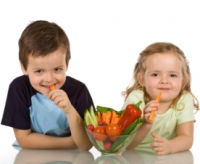
Children Healthy Nutrition Healthy Meals Children, Children Healthy Nutrition, Balanced Diet Children: Good nutrition and a balanced diet help kids grow up healthy. Here's how to improve nutrition and encourage smart eating habits. * Ketchup Usually you might get worried with the fact that your kid eats everything with sauce. Let them continue eating ketchup as it contains a natural cancer fighting compound called lycopene. * Kiwifruit This has more vitamin C than orange. It is rich in fibers and antioxidants that help protect the body’s cells from getting damaged. * Orange Juice Out of all the natural juices, orange juice is the most nutritious. It contains lots of vitamin C, foliate and potassium. The calcium, fortified one is the best for kids who don’t want to drink milk. * Sweet Potatoes Slice it into strips, use little oil and bake into fries which will be serving all the vitamin A that a kid requires in a day. * Whole Wheat Bread It is rich in fiber. Start with wheat bread first. When your kids transform into toddlers, get them used to whole wheat bread. Other such options may be brown rice, whole wheat muffins etc. * Tortillas These are low in fat. Roll them up with ham or turkey, slice into wheels, cut them into wedges, and then bake to make low-fat chips. You can also top with chopped vegetables and melted cheese. * Cantaloupe It is one of the rare fruits containing both beta carotene and vitamin C. It is a great substitute for kids who are not vegetable eaters. * Peanut Butter Peanut butter has become very popular among kids. It is rich in protein and a good source of fiber. Spread on bread or thin with water to make a tasty dip for your toddler. * Parmesan Cheese Each serve of this grated cheese provide close to 10% of daily requirement of calcium. You can sprinkle it on top of pastas, pizzas, vegetables, salads and eggs. * Yogurt 8 ounces of yogurt provides around 250 to 450 milligrams of calcium. While purchasing, look for ones that are low in fat. These beneficiary bacteria in yoghurt boost the health of your child’s intestine.
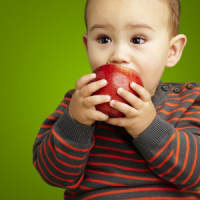
Healthy Diet for Toddlers Healthy Diet Toddlers, Healthy Meals Toddler, Healthy Nutrition Toddlers: A look at the nutritional requirements for growing toddlers. * Chocolate Milk Milk is an important part of a kid’s diet. Milk provides calcium and vitamin D to build strong bones. Children will gulp down plain milk without any complain, but it is better to add in some flavor to make it appealing and not boring. Why chocolate? Because there is a popular belief that chocolate does not hinder calcium absorption. * Baked Potatoes Baked potatoes are rich in potassium and fiber. It is any day better than greasy and oily fries. It is lower in fat than any other form of potatoes. * Baby Carrots For babies and toddlers, steam the carrots until soft and then cut them into small pieces and feed them. * American Cheese One slice of this cheese has about 125 milligram of bone building calcium. Children between 1 to 3 yrs need 500 ml a day while 4 to 8 yrs old need 800 ml a day. * Cereals Fortified cereals are another rich source of numerous vitamins and minerals, including iron and vitamin B, which build blood cells. There are two brands of cereals: ones with less sugar content and ones with normal sugar content. You can choose depending upon your baby’s taste. * Broccoli Broccolis are rich in vitamin A and C and with every bite, your child will get healthier and stronger. Many kids like it raw or lightly steamed. You can use the vegetables in other dishes as well. * Eggs Eggs are packed with protein and vitamin D. They help in building muscles and provide calcium to the body. So an egg a day will complete your kid’s diet requirement. * Mixed Vegetables Mixed vegetables include a combination of different vegetables with different vitamins and proteins which the body requires on a daily basis. Peas for e.g., provide proteins and foliate and vitamin B. Green beans on the other hand provide potassium. You can either serve them all together in a bowl or toss them all in a soup. * Beef If you are comfortable with non-vegetarian food then beef is the best food to feed your kid. It is a rich source of protein, iron and zinc. But choose beef which is at least 90% lean to keep fat consumption on check.

Newborn Baby Temperature Temperature for Newborns, Temperature Newborn Baby, Newborn Baby Temperature: The importance of maintaining the temperature of the newborn baby has been known for centuries. You should take your baby's temperature. * He is acting especially crabby * His skin feels hot * You note a rash on his skin * He is sweating a lot * His skin looks very pale * His skin looks very flushed * His breathing seems too fast, slow, or noisy * He has nasal discharge * He is sneezing or coughing * He refuses to eat * He pulls at his ears * He is thrashing around * His cry is unusually intense * He is throwing up * He has diarrhea or an unusual stool If you think that the baby might just have been overdressed or over heated, take some clothes off the baby, wait half an hour and retake the temperature. Conversely, if your baby feels cool to the touch or has a temperature of less than 97.6 Fahrenheit, warm him up with an extra layer of clothes or put him skin to skin with you until he warms up.




Memory Boosters For Children Memory Development Children, Memory Boosters Children, Kids Memory Booster: Parents who want their children to do well for their examinations can give them a boost by ensuring that their children get the proper foods to keep brain function. Choline Choline is used by the body to produce the neurotransmitter, acetylcholine, which is essential for the normal functioning of all cells. Choline is especially important for brain function as it affects the areas of the brain responsible for memory function and life-long learning ability. Choline is also required for the transportation of nutrients throughout the body including to the brain. A rich source of choline is egg and other sources include beef, cauliflower, wheat, peanuts and lettuce. Similar to taurine, choline is commonly fortified in milk powder. Folic acid High levels of homocysteine in the blood affect memory and folic acid lowers homocysteine levels. Foods which are rich in folic acid include whole-grain cereals, soybeans, spinach, green peas, broccoli and oranges. Nonetheless, there is insufficient data to support the use of folic acid as a memory booster. Taurine Taurine is an amino acid that supports neurological development and increases memory power of children. It is also thought to have antioxidant properties which aid in brain function. Taurine is found naturally in meat, fish and breast milk. Most milk powders are fortified with taurine as non-breast-fed infants’ ability to synthesise taurine (from their diet) is undeveloped and cow's milk (on its own) does not provide a sufficient amount. Omega-3 The benefits of omega-3 include promoting brain development. Omega-3 contains eicosapentaenoic acid (EPA) and docosahexaenoic acid (DHA) which are the main ingredients for the benefits of omega-3. Low DHA levels are thought to be associated with problems such as intelligence, vision and behavior. Dietary sources of omega-3 fatty acids include fish oils and some plant or nut oils. Tuna and salmon are the common animal sources that provide DHA and EPA and peanuts, walnuts and almonds are the common plant sources. For children who do not enjoy eating fishes or nuts, they can take fish oils supplements. These are available as burstlets (capsules which burst and release the oils in them) and there are different flavors to appeal to a child. These supplements should preferably be given to a child who is 2 years old or older and a pharmacist can help to select the right fish oil supplement for your child.

Newborn Baby Care How to survive those early weeks with a new baby. The most complete online resource for new and expectant parents in indian tips on planning a baby, pregnancy and caring for your family. * Grandparents and friends will be more than wiling to help with the new baby and chores around the house. Let them do it. This is a great opportunity for you to rest up. The help won't be last forever so take it while you can get it. * Test the waters with your new baby. All babies respond differently to certain situations. Your baby may not like to be held when he/she wants to sleep. Other babies will only sleep if you hold them. Don't be afraid to figure out what it is your baby wants. You will soon realize what your baby's cries mean. * Don't let yourself get completely frustrated. Babies have an amazing way of knowing when tension is in the air. Keep yourself calm and your newborn baby will stay calm. * Babies love vibration. Having a bassinet or baby seat that vibrates will help your newborn baby fall asleep much faster. This puts the new mom and baby in much better moods when the baby is awake. * A rocking chair is a great way for new mothers to bond with their babies. Rocking your baby back and forth gently while looking into his/her eyes is one of the most relaxing times you will have with your newborn. * Keep things organized as you go along. Wash bottles when baby is done eating. Put things in their proper place as soon as you are done with them. This will help tremendously in keeping your spirits high. * Follow your instincts. The instincts of a mother for her newborn baby is the strongest tool she has. Follow those instincts to the letter and your newborn. * When your newborn baby feels secure, he/she will be much calmer. New moms can do this by swaddling him/her in a blanket and responding quickly to his/her cries. * Forget feeding "schedules". Babies are hungry little people. If you put your baby on a feeding "schedule", you may find that baby is cranky more often. Feed your newborn when he/she wants to eat. When a human is hungry, he/she gets cranky. Babies are no different. * Pacifiers are a great tool for new parents. Newborns need to suckle but it isn't always because they want to eat. When baby is sucking on a "binky" it helps him/her feel more secure. This means that baby will be more relaxed which will pass directly to you.

5 Best Baby Foods * Breast Milk An infant should not be fed anything other than breast milk until 4-6 months. It s the best source of all nutrients such as vitamins, minerals and enzymes, amino acids and proteins required by the baby s body in order to develop for the first six months. Breast milk aids to the baby s digestion and keeps the intestinal tract up and running. Moreover, it boosts the immunity of the baby and eliminates chances of any kind of infection. * Cereals After six months, the mother should introduce solids to her baby. Weaning from breast milk should begin with cereals like ragi, brown rice, chana dal, moong dal and toor dal. One must remember to feed only the skin less split dals. Egg yolk is also a good option for non-vegetarians and they can also feed the baby some skinless boneless chicken. * Vegetables Vegetables are a rich source of vitamins and iron which are crucial to the baby s proper development. Kaddu (Butternut squash), sweet potatoes, green leafy vegetables and lauki (gourd) provide the adequate nutrition to the baby. One thing to consider here is that tomatoes (high in acid) and spinach (high in nitrates) should be avoided for the first ten months. Make it a point to wash and cook all the vegetables properly and then mash them prior to feeding the baby. * Fruits Fruits are equally important and fulfill the baby s need of citric acid along with minerals. Mashed bananas and apples should be the baby s first fruits. Once the baby is accustomed to eating these fruits, introduce papaya, pear, avocado and orange. One can add in some breast milk to the mashed fruits in order to soften them. * Fortified Infant Cereals For the first two years, babies should be fed fortified infant cereals because they are rich in iron. These formulas are best source for preventing iron deficiency in babies which can lead to anemia. A wide range of these fortified cereals are available in the market. They come in various flavors as well as ingredient quantities suiting the different age group of infants. The most recognized brand providing iron fortified cereals for infants is Nestle that offers quality food products like Cerelac, Lactogen and Nestum

Baby Colic Symptoms and Treatment Colic usually starts when your baby is a few weeks old and the symptoms last for a few months.There is no single treatment for colic that works for every baby. Fear, frustration, or even excitement can lead to colic symptoms. When other people around the baby are worried, anxious, or depressed.Colic is inconsolable crying usually caused by digestive discomfort. Learn about symptoms and likely causes. Discover safe and natural treatment options. What Is Colic? The definition of colic used by researchers is: "A healthy, well-fed infant who cries for more than three hours per day, for more than three days per week, for more than three weeks." Unfortunately, colic is not a well-understood condition. * Colic usually starts at about 2 weeks of age in a full-term infant (or later in a premature infant). * Colic almost always goes away by 3 or 4 months of age. * There is no difference in the prevalence of colic for boys and girls, whether you breastfeed or bottle feed, and whether the baby is first born or not. * Scientific studies have shown that children who had colic are no different in terms of personality, mental health, intelligence, etc., than children who never had colic. What Causes Colic? Despite many scientific studies, no single common cause for colic has been found. The fussiness of colic has many different causes, and that's why there is no one way to help it. Some theories of the cause of colic include: * Digestive woes, perhaps due to intolerance of cow's milk protein or lactose * Reflux (heartburn due to stomach acid and milk flowing back into the esophagus) * An immature digestive system in which the intestinal muscles are often in spasm * Air (gas) in the intestinal tract * Increased hormone levels that cause stomachaches or a fussy mood * Hypersensitivity to a stimulation in the environment (sound, light, etc.) * An intense temperament in the newborn period * An immature nervous system * Take note that all of these are only hypotheses, and keep in mind that you are not to blame for your baby's fussiness. First Steps to Address Colic in Your Baby Before looking to treat your baby's "colic," make sure he or she is thoroughly examined by her pediatrician to check for a medical reason for the crying and fussiness. Some of the possible medical reasons for irritability in an infant include: * an infection (for example: an ear or urinary infection) * evidence of reflux or gastrointestinal distress * pressure or inflammation of the brain and nervous system * an eye problem (for example: a scratch or increased pressure) * an abnormality of the rhythm of the heart * a bone fracture * a hernia * a hair wrapped around a finger or toe' A Treating Baby's Colic Based on your baby's needs, your pediatrician can help you devise a strategy to try to help him or her calm down. This usually means trying one intervention at a time to see if it helps and, if it doesn't in a few days, moving on to another one. * Change from one cow's milk formula to another. * Change from a cow's milk formula to a soy formula. * Change from a regular formula to a "predigested," hypoallergenic formula. * Add Lactase to the formula. * Avoid eating certain foods (such as caffeine, milk, certain vegetables) and taking herbal supplements if you are breastfeeding. * Change the type of nipples on your baby's bottle, use bottles with plastic liners, and burp your baby frequently to decrease air swallowing during feedings. * If bottle feeding, try to limit milk intake, and if that doesn't work, avoid limiting milk intake. * If your baby is spitting up, keep him or her upright after feeds. * Swaddle your baby. * Try more time in a front baby carrier (the kind you wear over your chest). * Take your baby for a ride in the car (but not when you are sleepy!). * Put your baby in the car seat on or near the dishwasher or dryer (be careful the seat doesn't vibrate and fall off!). * Use "white noise" (such as static on the radio or the vacuum cleaner), classical music, or a "heartbeat tape" next to the crib. Try infant massage. * Put a warm water bottle on your baby's belly. * Have him or her suck on a pacifier. * Soak baby in a warm bath. * Try an infant swing. * Increase or decrease the amount of stimulation in the environment. * Anti-reflux medicines, if reflux is suspected, may cut down on acid production and/or help to move the milk downstream. * Try giving the baby some herbal tea (e.g., chamomile, mint, fennel, verbena, but NOT star anise, which can be toxic). Use anti-gas drops * Try giving the baby "gripe water," but check the ingredients first. Most contain only herbs, but some from Europe may have alcohol or even phenobarbital, which, of course, you should avoid. * Although there is limited scientific evidence to support the use of homeopathic drops for colic, some parents report they have helped their colicky baby. NOTE: Make sure to check with your pediatrician before giving your baby any medication, including over the counter drugs, herbs, and supplements.

Treatment of Common Colds in Children Bringing sniffles and sneezes and perhaps a sore throat and annoying cough, the common colds in children catches all of us from time to time. Colds are the most common reason that childrens. Antibiotics should not be used to treatment of common colds in childrens. * Young children (5 years) are not able to describe cold symptoms and may only show nasal discharge and cough. * Preschool age children often have a fever (38 deg. C, 100.5 deg. F) in the first 3 or 4 days of a cold. * Colds in children tend to last longer (10-14 days) than in adults (7-10 days). * The value of commercial cold treatments has been difficult to evaluate in children. * In children with early colds, begin acetaminophen or ibuprofen in an appropriate dose on a regular schedule (every 4 hours) during the waking hours. Other symptomatic treatments may be used if they appear to be helpful. These include: * Topical and systemic decongestants (neo-synephrine, pseudoephedrine); decongestants may cause excitability. * Antihistamine (especially at bedtime). Antihistamine may cause drowsiness. * Mucoevacuants (guafenesin) * Children should never be given aspirin because of the danger of it causing brain damage. (Reyes syndrome) * Antibiotics do not shorten a cold, reduce the severity of the illness, or prevent secondary bacterial complications. * Consider consulting your doctor. * If the child develops a "second fever" later in the course of the cold. * If the nasal symptoms and cough are no better or worsen after 10-14 days. * If the child complains of ear pain (or the young child pulls at the ear).

Golden Path For Your Children మీ పిల్లలకు ఓ బంగారుబాట మీ ఇంట్లో కిడ్డీ బ్యాంక్ ఉందా..? ఆ చిన్ని పెట్టెలోనే ఉంది మీ బిడ్డల భవిష్యత్తు. బాల్యం నుంచే వారిని పొదుపుబాట పట్టిస్తే, మీ కల నిజమవుతుంది.. అదెలాగో చదవండి... * పిల్లలు సులువుగా ఓపెన్ చెయ్యలేని కిడ్డీ బ్యాంక్ను కొనివ్వండి. * మీరు ఇస్తున్న పాకెట్మనీలో కొంత మొత్తాన్ని మిగిల్చి అందులో వేస్తే, మీరు దానికి మరికొంత మొత్తాన్ని జమ చేసి ప్రోత్సహించండి. * పిల్లలకు ఖర్చు చేయడంలో ఉన్న ఎంజాయ్మెంట్ను దాచుకోవడంలో కూడా చూపించండి. * కొన్ని బ్యాంకులు ప్రత్యేకించి పిల్లల కోసమే సేవింగ్ ఖాతాలను ఆహ్వానిస్తున్నాయి. మీ పిల్లలను తీసుకొని బ్యాంకుకు వెళ్లి, వాళ్ల పేరుతోనే ఇలాంటి అకౌంట్ ఓపెన్ చెయ్యండి. * బ్యాంకు ఖాతాలో జమ చేయడం, సొమ్మును డ్రా చేయడం.. ఎలాగో మీరే దగ్గరుండి మీ పిల్లలకు నేర్పించండి. * పిల్లలు దాచుకున్న సొమ్మును కొంతకాలమయ్యాక- వారిపేరుతోనే పోస్టాఫీసులో డిపాజిట్ చేయండి. గడువుతీరాక వచ్చే అసలుకు వచ్చే వడ్డీని తిరిగి పిల్లలకే ఇచ్చేయండి. * మ్యూచువల్ఫండ్స్లో బోలెడు చిల్డ్రన్ప్లాన్స్ ఉన్నాయి. వాటిలో మీ అబ్బాయి, అమ్మాయిల పేరుతో పెట్టుబడి పెట్టండి. వాళ్ల చదువు కోసం మీరెంత కష్టపడుతున్నారో అర్థమవుతుంది. * డబ్బు విలువను చిన్నప్పటి నుంచే పిల్లలకు తెలియజేస్తే.. పెరిగి పెద్దయ్యాక దుబారా ఖర్చులు చేయరని పలు సర్వేలు చెబుతున్నాయి.
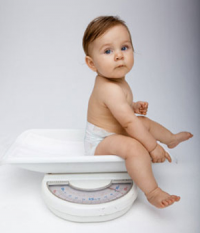
Underweight Babies New hopes and desires rise surrounding this new bundle of joy. It is the duty of the parents to take proper care of their child so that he gets to enjoy a total and complete development, both physically and mentally. Here we bring for you information on underweight babies and its related problems. pleasure for the parents and relatives. Just like obesity, under weight is also a serious problem that can lead to lots of problems in the long run. According to medical surveys and studies, a large number of underweight babies are born mostly in the underdeveloped countries as well as the developing countries such as Bangladesh, India, and Africa etc. The main reason that leads to underweight babies in countries like India, Bangladesh, South Africa and South Asia is malnutrition. As these countries are not well developed, proper care is not provided to pregnant women in these nations. Moreover, poverty forms another significant reason that leads to malnourished babies. Due to unhealthy and insufficient food, both the pregnant mother and the child within suffer. As a result, the child born is underweight with lots of problems. The problems faced by an underweight baby include illness, disorders, emotional problems, visual problems, hearing problems, learning problems. These problems become serious diseases in the long run when the child faces difficulty in functioning such as washing, talking, walking etc.

Skin Diseases in Children చిన్న పిల్లల్లో... చర్మ వ్యాధులు సాధారణంగా చిన్న పిల్లల్లో ఎరితిమా, ఎక్జిమా, హెర్పిస్, సోరియాసిస్, అర్టీకేరియా మరియు గజ్జి, తామర అనబడే వ్యాధులు వస్తాయి. ఈ వ్యాధుల్లో సాధారణంగా చర్మంపై నల్లమచ్చలు, ఎర్రమచ్చలుగా, పొడిగా లేదా కారడం, చర్మంపై పొలుసుగా రావడం మొదలైన లక్షణాలు ఆయా జబ్బులు బట్టి వస్తాయి. కొన్ని చర్మవ్యాధులు కొన్ని కొన్ని చోట్ల వస్తాయి. గజ్జి వ్యాధిలో చేతి వేళ్లలో, తొడ లోపలి భాగంలో మరియు శరీరం ఇతర భాగాలలో వ్యాపిస్తుంది. ‘సొరియాసిస్’లో పొలుసుగా పొడి చర్మం వస్తుంది. ‘ఎరితిమా’ వ్యాధిలో చర్మం ఎర్రబడి దురదగా ఉంటుంది. అర్టికేరియాలో దద్దుర్లు వస్తాయి. ఒళ్లంతా రావచ్చును. విపరీతంగా దురద వస్తుంది. ‘ఎక్జిమా’ వ్యాధి ముఖ్యంగా కీళ్ల మలుపులో వస్తుంది. పొట్ట, వీపు, కాళ్లు, చేతుల్లో, మెడ వద్ద వస్తుంది. కారణాలు: ఎలర్జీ వల్ల, వాతావరణ మార్పుల వల్ల, తినే వస్తువులలో కొన్ని పడకపోవడం వల్ల, శుభ్రత సరిగా లేకపోవడం వల్ల, వంశపారపర్యంగా, ఫంగస్ వల్ల మొదలైన ఎన్నో కారణాల వల్ల మానసికంగా కుంగిపోవడం వల్ల కూడా చర్మవ్యాధులు ఎక్కువవుతాయి. హోమియోపతి వైద్యం: * ఆర్సనిక్ ఆల్బమ్: ముఖంపైన, తలలో పొడిగా, పొలుసుగా చర్మవ్యాధి, పస లాంటి డిస్చార్జి ఉంటుంది. విపరీతమైన మంట, దురదలు ఉంటాయి. ఈ పిల్లలు చాలా నీరసంగా ఉంటారు. దాహం ఎక్కువ. చలి వాతావరణం పడదు. ఆందోళన, భయం ఎక్కువ. అన్ని రకాల చర్మవ్యాధులకు ఇది ముఖ్యమైన మందు. * గ్రాఫైటిస్: ఎక్జిమా, సోరియాసిస్ వ్యాధులకు ముఖ్యమైన మందు. ఈ పిల్లలు లావుగా, బొద్దుగా ఉం టారు. చర్మం మందంగా ఉంటుంది. నల్లని మచ్చలు ఏర్పడతాయి. దురదగా ఉంటుంది. చర్మం నుండి కారడం ఉంటుంది. వీరికి మలబద్దకం ఎక్కువ. చర్మంలో పగుళ్లు ఉంటాయి. * హెపర్ సల్ఫ్: తలో ఎక్జిమాకు ముఖ్యమైన మంది. వీరు చాలా సెన్సిటివ్గా ఉంటారు. చర్మాన్ని ముట్టుకున్న నొప్పిగా ఉంటుంది. జననాంగాల వద్ద ఎక్జిమా, ఎరితిమా వ్యాధులకు ముఖ్యమైన మందు. * కాలమూర్: ఎక్జిమా ముఖ్యమైన మందు. ఇక్కడ తెల్లని డిస్చార్జి ఉంటుంది. * రస్టాక్స్: ‘అర్టికేరియా’కు ముఖ్యమైన మందు. చర్మం ఎర్రబడి దద్దుర్లు వస్తాయి. దురదగా ఉంటుంది. తేమ వాతావరణంలో ఎక్కువవుతుంది. * సల్ఫర్: చర్మవ్యాధులకు ఇది సర్వరోగ నివారిణి లాంటిది. ఏ వ్యాధి అయినను దానిని సమూలంగా తొలగించుటకు ఒక స్టేజ్లో ఈ మందును ఇవ్వవలసి ఉంటుంది. వీరికి మలబద్దకం ఎక్కువ. పరిశుభ్రత తక్కువ. చల్లగాలి పడదు. రాత్రిపూట దురదులు ఎక్కువ. మంటగా ఉంటుంది. గోకినచో ఉపశమనంగా ఉంటుంది. గజ్జి, తామరకు ముఖ్యమైన మందు. * ఆంటమొనియమ్ క్రూడ్: సోరియాసిస్కు ముఖ్యమైన మందు. ఈ పిల్లలు లావుగా ఉంటారు. తినడం ఎక్కువ. పని తక్కువ.సోమరిపోతులు. నాలుకపై తెల్లని కోటింగ ఉంటుంది. వేడి వల్ల చర్మవ్యాధి ఎక్కువవుతుంది.ఇవే కాకుండా ఆర్సనిక్ అయోడ్, డల్కమరా, మెర్కూరియస్, నాట్రరిమూర్, బొవిస్టా, ఏపిస్, సెపియా, ఆర్టికా యూరెన్స్, మెజీరియం మొదలైన హోమియోపతి మందులు వాటి రోగ లక్షణాలను బట్టి ఉపయోగించవచ్చు.

How to Make Your Child Like School స్కూలుకు వెళ్ళడం అనేది పిల్లల జీవితంలో ఒక ప్రధానమైన ఘట్టం. పిల్లలు బడికి వెళ్లడం మంచి భవిష్యత్ కు పునాది. ఇంట్లోని వారందరినీ వదిలి స్కూల్ అనే కొత్త వాతావరణంలోకి, కొత్త ముఖాల మధ్యకు వెళ్లడం కొందరి పిల్లలని భయపెడుతుంది.స్కూల్ వాతావరణంలో కొందరు పిల్లలు ఉత్సాహంగా ఉల్లాసంగా కలిసిపోతే మరికొందరు పిల్లలు అలవాటు పడటానికి కొంత సమయం పడుతుంది. స్కూలు మొదలైన తొలిరోజుల్లో పిల్లలలో అలసట కనిపించడం సాధారణంగా మనం చూస్తూ ఉంటాం. దీని తాలుకూ లక్షణాలుగా చిరాకు, కోపం, ఊరికే ఏడవడం వంటివి కనిపిస్తాయి మనకు పిల్లలలో.మరికొందరు పిల్లలు అయితే రాత్రుళ్ళు కలవరిస్తుంటారు.ఇవన్నీ తాత్కాలికమే.స్కూలుకు వెళ్లడం అలవాటు పడ్డాక ఈ లక్షణాలు అన్ని వాటికి అవే తగ్గు ముఖం పడతాయి. * పిల్లలకు ముందుగా స్కూలు పట్ల వారికి ఉన్న భయాన్ని పోగొట్టాలి. * స్కూలు నుంచి రాగానే పిల్లలు చెప్పే కబుర్లు విని వాటిలో ఏవి అవసరమో వాటికి సంబంధించిన సలహాలు,సూచనలు ఇవ్వాలి. ప్రేమగా బుజ్జగించాలి. * కొందరు పిల్లలు కొత్తగా ఎదురుకున్న అనుభవాలని ఎడతెరిపి లేకుండా చెబుతుంటారు. వాటిని మనం విసుక్కోకుండా వినాలి. * స్కూలుకి వెళ్లడం ప్రారంభించిన పిల్లలకు అవసరమైన ప్రోత్సాహం, మద్దతులను ఇంట్లోని పెద్దలేగాక, స్కూలులోని సిబ్బంది కూడా అందించాలి. * స్కూలుకు వెళ్లనని మారాం చేసే పిల్లల్ని తిట్టి, కొట్టి భయపెట్టకూడదు. * పిల్లలకు ఎలా చెప్పితే అర్థం అవుతుందో అర్థం చేసుకుని వారికి అర్థం అయ్యేటట్టుగా నచ్చచెప్పాలి.

Indian Baby Massage Tips Baby massage has been a tradition in many communities for centuries. It is believed that regular massage help preemies to gain weight reduce colic in infants. *Baby's skin is very soft and bracelet, rings and long nails might hurt your child accidentally. So keep your fingernails short and keep aside the jewellery pieces you wear on hands when you are massaging the baby. *Make sure that your palms are warm. Aromatherapy oils for adults may not be suitable for the baby. *It is a good practice to keep all things you ready before you start rubbing the oil on the baby's body. This includes, the baby massage oil or the vegetable oil, tissues, clean diapers and clothes. *Spread a changing mat or a soft towel on a flat surface and undress the baby. Put the baby down with his or her face up. *Rub only about half-a-teaspoon of oil at a time on your palms so they glide easily on the baby's body. You can apply more oil later as needed. *Use smooth, gentle but firm strokes with your palm or fingers. Light circular movements on chest and stomach, stroking across the shoulders, downward movement on the arms and legs and upward movements on the back are the best. *Do not put too much pressure on the baby's fragile body and avoid the spine area. *Keep the baby engaged while massaging him or her by talking or singing to the infant. *Eye contact with the baby ensures him or her of your undivided attention. *Sudden break in contact of your hands may cause alarm to the baby, take care to be gentle while stopping the massage. *Do not oil baby's palms or fingers as these little ones tend to put them in their mouths or eyes often and this may cause them irritation. *Wrap the baby in a clean and warm towel after the massage and cuddle him or her. *Do not massage the baby just before or after feeding, or when the baby is ill. *Do not wake the baby up for a massage. *Avoid rashes, wounds or areas where the baby has got his injections or vaccines as it may hurt.

Weight Gain Foods for Children If your child has been examined for any underlying health problem and no condition has been diagnosed, it is your responsibility to ensure that ... * Milk, yoghurt, butter, ghee, paneer and cheese are some dairy products which must be fed to your child as much as he can digest. * Make sure that these dairy foods are made from full-cream milk to help your child add some pounds to his body. Use these products as toppings, spreads or in smoothies. * Calcium and iron contained in full-cream dairy products are needed by children in their growing years. Whole grain wheat, brown rice, cereals, granola, crackers, cornbread and pasta can help your child have healthy weight gain. * According to food pyramid, your child should have 6 servings of whole wheat grains. Prepare a food chart to include different cereals. Combine these with nuts, peanut butter and dry fruits. * These are high in calories and can prove to be a healthy and delicious alternative to salted crispy foodstuffs such as chips and crackers. * Peanuts, walnuts, almonds, macadamias, walnuts, Brazil nuts, hazelnuts, cashews, dates and pistachios are good sources of healthy fats and protein for your kids apart from additional calories for weight gain. * Mix these in desserts, decorate over main course as topping or have them as snacks. * Olive Oil is rich in energy and with a small serving, you can help your child get many calories. Olive oil is good for the heart too as it contains monounsaturated fat and antioxidants. * Moreover, this oil has a somewhat fruit-like flavour and you can use it in combination with several foods. You can cook up your child’s meal with a few tablespoons of olive oil or use it as a dip for the bread.

Benefits of Baby Massage Baby massage gives you a time when you can relax and be together and it can have lots of wonderful benefits too.... * Helps Relieve Discomfort from Gas, Colic, and Constipation. * Improves Blood Circulation. * Aids in Digestion. * Enhanced Development of the Nervous System. * Stimulates Neurological Development. * Increases Alertness....Heightened Awareness. * Reduces Stress Hormones. * Improves Immune Function. * The Release of Oxytocin, the Nurturing Hormone.

Toothpaste Can Be Harmful for Children Supermarkets have sweet and fun toothpaste flavors like orange, peach, strawberry and tutti-frutti targeted at children. But a clueless parent may be taken in by obscure or absent label warnings about toxic chemical contents.Teeth cleaner sweet toothpaste has now become an integral part of Lifestyle. But the chemicals often found in it may have adverse impact on health. This amount is dangerous for little kids. Due to this, process of mouth enzymes is disrupted and gum cells become weak. Some toothpaste surfactant & foaming agent is also present. Surfactant is originally a detergent. These two agents help in removing the dirt of mouth. In foaming agent, sodium lauryl sulfate is present which damage the liver. Young children are expected to follow brushing motions, spit out the foam from the mouth, rinse and gargle, all while taking care not to swallow toothpaste. But what usually happens is that the children end up swallowing some amounts of toothpaste. We are need to consider how to protect our children from fluoride-overdose. Some manufacturers display the fluoride content in their products in ppm (parts per million). Others specify percentages and there are still others who display nothing about fluoride content of their products. Some steps that you as a parent can take to protect children aged less than 7 years from fluoride exposure. 1. Choose to use no-fluoride or low-fluoride children's toothpastes. 2. The amount of toothpaste used one time should only be the size of a pea. 3. Minimize the risk of swallowing of toothpaste, supervise your child's brushing. 4. Educate and motivate your children to spit out the toothpaste and not to swallow it. 5. Unless recommended by a medical professional, avoid using fluoride supplements like drops, tablets or pills for young children. 6. Only usy no-fluoride or low-fluoride dental floss and mouthwashes for kids.

Calcium Rich Foods for Kids kids to get enough calcium in their diet by choosing calcium rich foods such as milk, cheese, and yogurt. Remember that children should eat 3 age-appropriate servings of dairy products per day . * 500 mg a day for kids who are 1 to 3 years old. * 800 mg a day for kids who are 4 to 8 years old. * 1,300 mg a day for kids who are 9 to 18 years old. Calcium Rich Foods You may find big differences in the calcium content of foods, even among different brands of the same foods such as cheese, juice, and bread. Yogurt, plain Yogurt, fruit Milk, low fat or nonfat Milk, whole Cheese, Eggnog, Remember that just because your child is eating cheese, that doesn't mean that she is getting a lot of calcium.

How To Increase Height of Child Here are some helpful tips to increase your child’s height naturally. * Milk supplies them with many vitamins, minerals and protein source having high biological values and substantial acid amines. Vitamins and minerals also play an important role in developing the height of children. * Practice exercises like stretching, yoga, swimming and pull ups. Stretching exercises can add up to three inches of height permanently. * Have you kid go up against a wall with their back towards it. Raise their hands over their head as high as they can go. Make them sit there on their tippy toes for as long as they can. Once they can do it any longer, let them rest and do it again. * Basketball is one sport that helps to augment the height immensely. If your kid is not in the school basketball team then there is no reason to worry. Set up a mock basket in your courtyard and get the ball to play with your child. Play basketball for at least one hour in the evening. * Develop good posture. Do not sit or walk with a hunchback.