

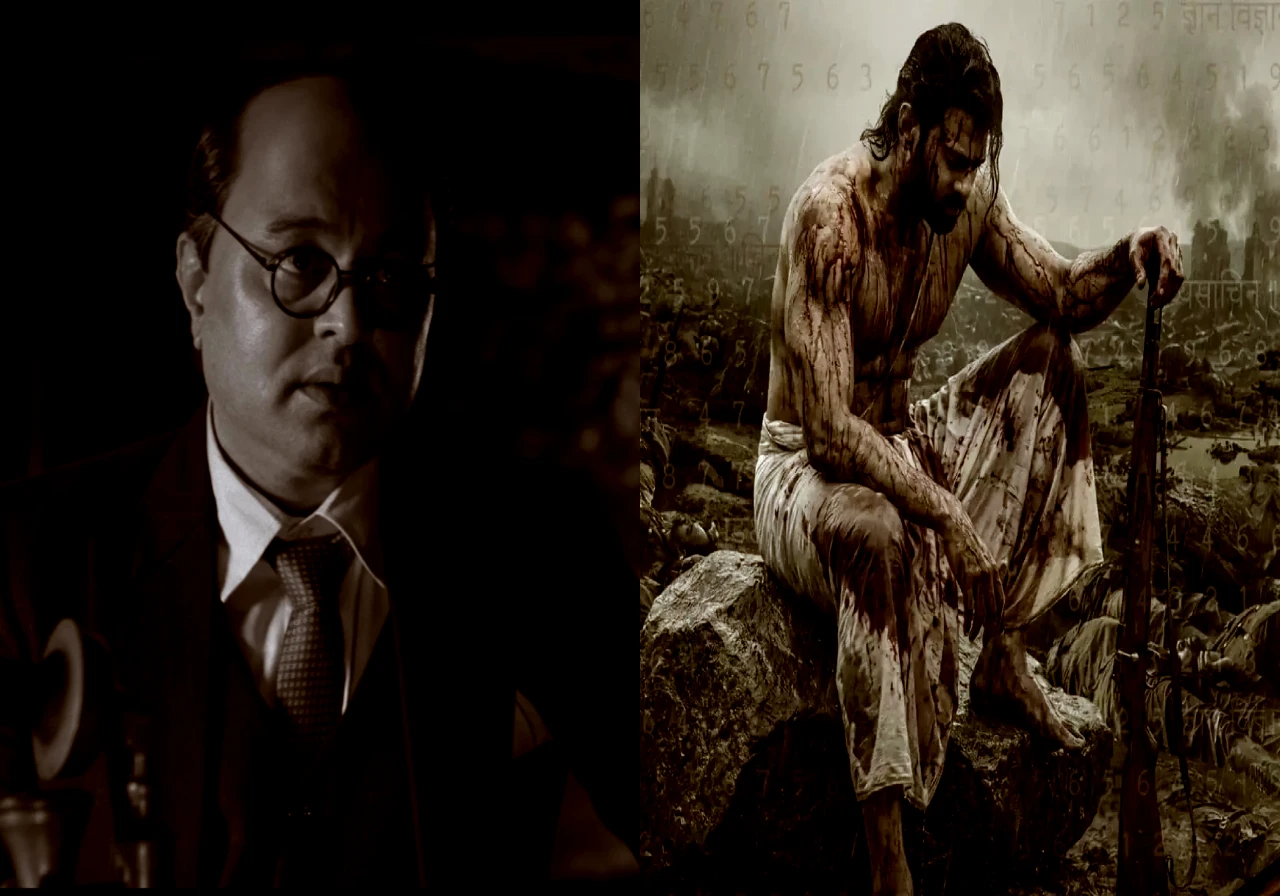
Prabhas’ upcoming period action drama Fauzi has landed in controversy after Netaji Subhas Chandra Bose’s grandnephew Chandra Kumar Bose accused director Hanu Raghavapudi of distorting historical facts in the film’s portrayal of Netaji’s meeting with Adolf Hitler. He has demanded an apology from the filmmaker to the people of India and those who respect the country’s freedom struggle.
Chandra Kumar Bose acknowledged that filmmakers have the creative freedom to portray India’s freedom struggle and its leaders. However, he stressed that this freedom should not come at the cost of historical accuracy. “Distorting facts and resorting to fiction while dealing with national icons is, I think, a crime,” he said, alleging that the film’s portrayal diminishes Netaji’s stature.
Chandra Kumar Bose explained that Netaji approached Hitler to seek German support for India’s independence, recognising that Germany and Japan could assist the freedom movement at the time. He also emphasised that Netaji opposed fascism and believed in democracy and people’s democratic rights. According to him, Netaji dealt with Hitler as an equal, not as a subordinate, while pursuing India’s liberation.
The controversy centres on Fauzi’s File No. 25 glimpse, which opens with a conversation between Netaji and Hitler in Berlin during World War II. The scene introduces Prabhas’ fictional character, with Netaji describing the mysterious operative’s capabilities to the German dictator. The sequence has drawn criticism for allegedly placing the fictional hero above the historical freedom fighter.
Further, Chandra Kumar Bose accused the director of sensationalising the meeting instead of presenting its historical context accurately. He insisted that Netaji’s stature should not be diminished and reiterated his demand for an apology. Directed by Hanu Raghavapudi, Fauzi stars Prabhas in the lead role and is set against the backdrop of India’s struggle against British rule.
Disclaimer: The news article is written based on information shared by various sources. The organisation is not responsible for the factual nature of them. While we do try to do thorough research at times people could misguide. So, we would encourage viewers' discretion before reacting to them.