


Can we trust the BMI index?
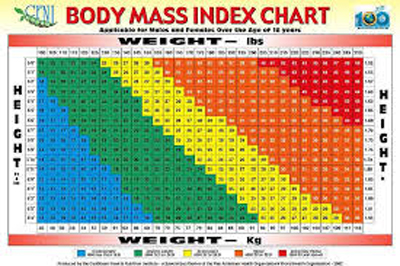
Body Mass Index… popularly known as BMI is a household phenomenon. We’ve always heard that people with higher levels of BMI are prone to all sorts of diseases related to obesity. The BMI formula which indicates the proportion of our weight to our height has a history of over 150 years. The BMI thought was developed by Belgium Statistician Adolphe Quetelet. Since its invention BMI has always been revered as though it was a formulae right from the scriptures. People were categorized as underweight, normal weight and overweight basing on their BMI ratios. People below the score of 18.5 were considered underweight, those between the ranges of 18.5-25 were considered to be of ideal weight and those with the ratio between 25-30 were treated as overweight. People with above the score of 30 were thought to be obese. Apart from the hospitals… the insurance companies and government have been obsessed with this BMI while drafting their policies. Now! Some latest researches were throwing some different light on the validity of the BMI. Let’s check out. The researchers from the University of California, Los Angeles (UCLA) have verified the data of 40,420 people and got astounding results regarding BMI. Researchers have found that nearly half of overweight people and almost 30 percent of obese people as per BMI ranges… seemed to be healthy. On the other side, more than 30 percent of those with normal BMIs were found to be suffering with irregularities in blood pressure, sugar levels and cholesterol. Further, the researchers claim that people who actively exercise (ex: athletes) tend to gather much weight due to their muscle strength. Such people might reveal higher BMI scores, though they are perfectly healthy! So, here is the final word from the researchers of ULCA… BMI might seem to be simple and quick way to check our risk of obesity. But that can’t be treated as an acid test to find whether we are prone to health risks or not! Our style of living, exercising routine, food habits, genes, fat accumulation… are all the factors that can’t be ignored. So let’s forget the BMI and stay focused on healthy habits! Note: The formulae for checking BMI is… weight in kilograms/height in metres2 ..Nirjara.
read more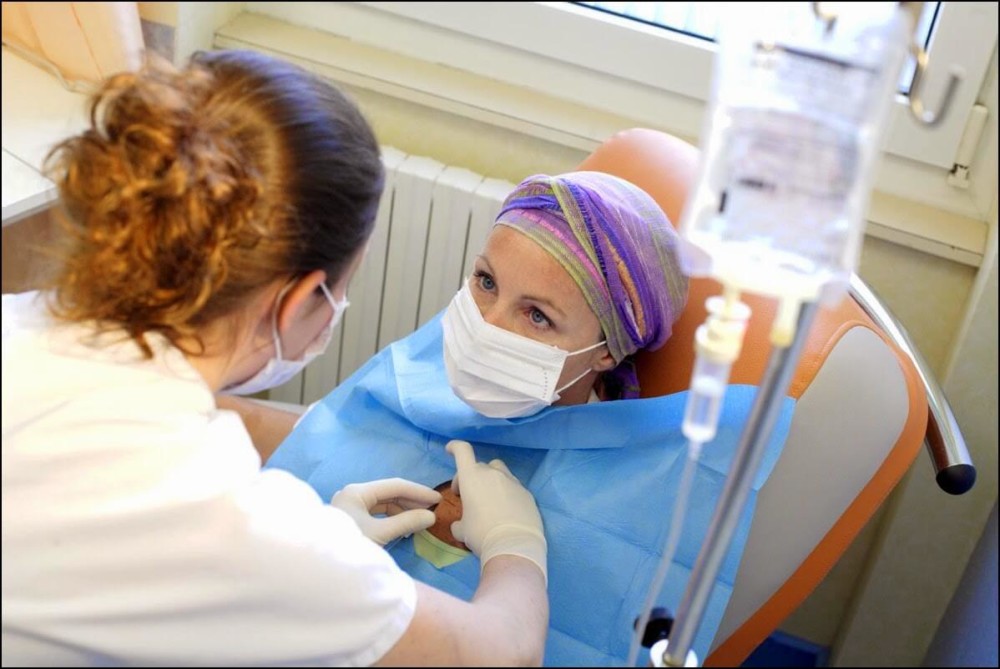
Do doctors cheat on Chemotherapy?
Very few people in India might have heard about Dr. Glidden. He is a Doctor loved and hated equally across the USA. Reason! Dr. Glidden is a naturopathic doctor who advises against the usage of Chemotherapy on the patients. Glidden feels that the doctor’s go for Chemotherapy only for commercial benefits! He often quotes a research which stated that 97% of the times, Chemotherapy is useless. He blames that Chemotherapy has become an evil pill that every cancer patients is supposed to take, even though it doesn’t cause any good to them. Glidden of course points the trillion dollar pharmaceutical industry to be the main culprit behind such practices. Glidden has placed all his arguments in a book called `THE MD EMPEROR HAS NO CLOTHES’. In this book he requests all the patients undergoing the Chemotherapy to be sure of its safety and validity. He suggests them to ask their doctor 10 questions before they undergo Chemotherapy. And here are those ten questions for you… 1. Does the therapy you're recommending cure my cancer? 2. What causes my cancer? 3. If the treatment you're recommending doesn't cure my cancer, what can I expect? 4. What side effects from the treatment can I expect? 5. Can the treatment give me cancer again? 6. How are you going to manage the side effects of the treatment if they happen? 7. What's going to happen to the quality of my life while I'm undergoing this treatment? 8. How much are you going to profit from this treatment? 9. How much is the hospital going to profit from this treatment? 10. Can I talk to 5 different patients in my same age, with the same Cancer, who had the same treatment, to see how they're doing? Well! These are certainly hard questions and we may not dare to pose all of them to our doctor. But we can certainly step ahead to discuss the essentiality of a Chemotherapy to clarify our doubts. Glidden points out that allopath doctors are only trained to manage the ailments but not the causes of such ailments. He claims that allopath doctors can’t even cure a heart burn… and they would only give a medicine that soothes a heart burn. Glidden of course concludes that Naturopathic do wonders in treating the cancer! Well it’s up to us to decide!!! ..Nirjara.
read more




మన బద్ధకపు ఖర్చు- నాలుగు లక్షల కోట్లు!
వినడానికి కాస్తా ఆశ్చర్యంగానే ఉండవచ్చు. కానీ ఇది ఏదో ఆషామాషీగా తేల్చిన ఖర్చు కాదు. The lancet అనే పత్రిక గత నాలుగేళ్లుగా చేస్తున్న పరిశోధనలో బయటపడిన అంశం ఇది. ఇంతకీ బద్ధకానికీ ఖర్చుకీ సంబంధం ఏమిటీ! ఇంకా మాట్లాడితే బద్ధకానికీ ఆయుష్షుకీ సంబంధం ఏమిటి? అన్న ప్రశ్నలు తలెత్తితే వాటికి The lancet స్థిరమైన జవాబులను అందిస్తోంది... ‘ప్రజల్లో వ్యాయమాం చేసే అలవాట్లు, వాటి వల్ల వారి ఆరోగ్యంలో మార్పులు’ అనే అంశం మీద లాన్సెట్ పత్రిక గత ఒలంపిక్స్ (2012) నుంచి ఒక పరిశోధనను చేపట్టింది. ఇందులో భాగంగా నాలుగు నివేదికలను వెల్లడించింది. ఈ పత్రిక వెలువరించిన మొదటి నివేదిక ప్రకారం- - శారీరికంగా ఎలాంటి కదలికలూ లేకుండా, వ్యాయామం చేసే అలవాటు లేకుండా ఉన్నవారిలో... గుండెజబ్బులు, పక్షవాతం, చక్కెర వ్యాధి, కొన్ని రకాల కేన్సర్లు ప్రమాదకరమైన స్థాయిలో బయటపడుతున్నాయి. - ఇలా శారీరిక వ్యాయామం లేకపోవడం వల్ల నానారకాల జబ్బుల పాలిట పడి చనిపోతున్నవారి సంఖ్య, ఏటా 50 లక్షల వరకూ ఉంది. - ఎలాంటి కదలికలూ లేకుండా రోజుకు కనీసం ఎనిమిది గంటల పాటు సీట్లకు అతుక్కునిపోయేవారు, రోజుకి కనీసం ఒక గంట సేపైనా వ్యాయామం చేస్తే కనుక వారిలోనో అనారోగ్య సమస్యలు దూరమవుతున్నట్లు తేలింది. - శారీరిక వ్యాయామం లేనివారులో 28-59 శాతం మంది త్వరగా చావుని చేరుకుంటున్నారట! - మరీ చురుకైన జీవనశైలి ఉన్నవారు తప్ప, మిగతావారిలో రోజుకి 3 గంటలకు మించి టీవీని చూసేవారు కూడా త్వరగా మృత్యు ఒడిని చేరుకుంటున్నట్లు వెల్లడైంది. - ఈ గణాంకాలన్నింటినీ సేకరించడం కోసం లాన్స్ట్ వంద కాదు, వేయి కాదు... పదిలక్షల మంది జీవన విధానాన్ని నిశితంగా పరిశీలించింది. ఇక లాన్సెట్ తన రెండో పరిశోధనలో, వ్యాయామం చేయకపోవడం వల్ల తలెత్తే అనారోగ్యాలకి సంబంధించిన ఖర్చుని వెల్లడించింది. ఇలా మన జీవనశైలిని వైద్య ఖర్చులకు ముడిపెడుతూ సాగిన తొలి పరిశోధన ఇదే! ఈ అంచనా ప్రకారం 67.5 బిలియన్ డాలర్లు, అంటే సుమారు నాలుగు లక్షల కోట్లు, వ్యాయామం లేకపోవడం వల్ల కోరి తెచ్చుకున్న జబ్బులకు అవుతున్న ఖర్చు! ఇది కేవలం వ్యక్తిగతంగానే కాకుండా దేశ ఆర్థిక వ్యవస్థకూ, ముఖ్యంగా అభివృద్ధి చెందుతున్న దేశాలకూ శరాఘాతంగా పరిణమిస్తోంది. లాన్సెట్ ప్రచురించిన మూడో నివేదికలో, గత నాలుగు సంవత్సరాలుగా మనుషుల తీరులో ఎలాంటి మార్పూ రాలేదన్న నిరాశ వెల్లడైంది. ఎన్ని ఆరోగ్య సంస్థలు హెచ్చరిస్తున్నా, ఎంతమంది వైద్యులు ముందుకు తోస్తున్నా... తరచూ వ్యాయామం చేయాలన్న తపన ప్రజల్లో పెద్దగా పెరగలేదని వెల్లడైంది. కదలికలు లేని జీవనశైలి వల్ల అనారోగ్యం పాలవుతామని స్పష్టంగా సంకేతాలు తెలుస్తున్నా... నాలుగు అడుగులు వేయడానికి మనుషులు ఇంకా బద్ధకిస్తున్నారని తేలింది. చివరగా లాన్సెట్ ప్రచురించిన నాలుగో నివేదికలో ప్రభుత్వమూ, పాఠశాలలూ, పర్యావరణ సంస్థలూ... ఇలా అన్ని రంగాలలోని యాజమాన్యం వ్యాయామానికి తగిన గుర్తింపునీ, ప్రోత్సాహాన్నీ ఇవ్వాలని పేర్కొంది. ఆరోగ్యం అనేది వ్యక్తిగతమైన విషయంగా చూడటం ఆపమని సూచించింది. అంటే జనం ఎలాగూ తమంతట తాముగా మారడం లేదు కాబట్టి... ప్రభుత్వం, విద్యాసంస్థలు, ఆఫీసుల ద్వారా అయినా వారిలో కొంత చురుకుని పుట్టించాలనుకుంటోందన్నమాట! మంచిదే! - నిర్జర.
read more
ష్... పిల్లవాడిని చదువుకోనీయండి!
పిల్లలు చక్కగా చదువుకునేందుకు ముఖ్యంగా కావల్సింది ఏమిటి అంటే... ప్రశాంతమైన వాతావరణం అని ఎవరైనా టక్కున చెప్పేస్తారు. కానీ చాలామంది ఆ ప్రశాంతతను కల్పించేందుకు పెద్దగా శ్రద్ధ చూపరు. ఇంట్లో ఒక పక్క పిల్లవాడు పుస్తకాలతో కుస్తీ పడుతూనే ఉన్నా... టీవీ హెచ్చు స్థాయిలో పెట్టుకోవడమో, ఫోన్లో నిరంతరం గట్టిగట్టిగా మాట్లాడటమో చేస్తుంటారు. అదేమంటే ‘పిల్లవాడిలో ఏకాగ్రత ఉండాలే కానీ ఎలాంటి శబ్దంలో అయినా చదువుకుంటాడు కదా!’ అని దబాయించేస్తూ ఉంటారు. ఇక మీదట అలా దబాయించే అవకాశం లేని కొన్ని పరిశోధనలు బయటపడ్డాయి. అమెరికాకు చెందిన విస్కాన్సిన్ విశ్వవిద్యాలయానికి చెందిన కొందరు విద్యార్థులు ఈ పరిశోధను నిర్వహించారు. ఇందులో భాగంగా వారు 22-30 నెలల మధ్య వయసున్న 106 మంది పిల్లలను ఎన్నుకొన్నారు. ఆ తరువాత వారికి రణగొణ ధ్వనులు వినిపించే వాతావరణంలో ఒక రెండు కొత్త పదాలు ఉన్న వాక్యాలను చెప్పి, వాటి అర్థాలను వివరించారు. తరువాత పిల్లలను కొత్త పదాల గురించి అడిగితే ఏముంది! వారిలో చాలామందికి ఆ పదాల గురించిన గుర్తే లేకుండా పోయింది. దీనికి విరుద్ధంగా ప్రశాంతమైన వాతావరణంలో వారికి కొత్త పదాలను అలవాటు చేసినప్పుడు మాత్రం ఎలాంటి ఇబ్బందీ లేకుండా వారు పదాలను తిరిగి గుర్తుచేసుకోగలిగారు. కొత్తగా ఒక శబ్దాన్ని వినడానికీ... ఆ శబ్దానికీ, దాని అర్థానికీ మధ్య పొంతనను ఏర్పరుచుకోవడానికీ ప్రశాంతమైన వాతావరణం దోహదపడుతోందని తేలింది. నిజానికి ఇలాంటి పరిశోధనలు కొత్తేమీ కాదు. ఇంతకు ముందు కూడా పిల్లల మీద వారి చుట్టూ వినిపించే రణగొణధ్వనుల ప్రభావం ఎలా ఉంటుందంటూ కొన్ని పరిశోధనలు జరిగాయి. వాటిలో చాలా దిగ్భ్రాంతికరమైన విషయాలే బయటపడ్డాయి. చుట్టుపక్కల నిరంతరం వినిపించే శబ్దాలు పిల్లవాడి గ్రహణశక్తిని దెబ్బతీస్తాయని వీటిలో తేలింది. ఇలాంటి పిల్లలు మానసిక సమస్యలకు కూడా లోనయ్యే ప్రమాదం ఉందని బయటపడింది. అంతేకాదు! ఇలాంటి వాతావరణంలో పెరిగే పిల్లల్లో గుండె వేగం పెరిగిపోవడం, రక్తంలో ప్రమాదకరమైన కార్టిజాల్ అనే రసాయనం ఎక్కువగా ఉత్పత్తి కావడం జరిగాయి. అంతిమంగా ఇలాంటి వాతావరణంలో పెరిగే పిల్లలు బడిలో వెనుకబడతారన్నది రూఢి అయ్యింది. ఏతావాతా! ఎదిగే పిల్లలు ఇంట్లో ఉన్నప్పుడు, ముఖ్యంగా వారు చదువుకుంటున్నప్పుడు... ప్రశాంతకరమైన వాతావరణాన్ని కల్పించడం పెద్దల బాధ్యత అని ఈ పరిశోధనతో తేలుతోంది. బయట నుంచి వచ్చే శబ్దాలను మనం ఏమీ చేయలేకపోవచ్చు. ముఖ్యంగా అర్థికమైన సమస్యలు ఉన్నవారు ఎలాంటి ఇంట్లో అయినా సర్దుబాటు చేసుకోక తప్పని స్థితి ఉంటుంది. కానీ ఇంట్లో శబ్దాలను నియంత్రించడం పెద్ద కష్టం కాదు కదా! పిల్లవాడి భవిష్యత్తు కోసం కాస్త టీవీ శబ్దాలను, అరుపులను తగ్గించడంలో తప్పేముంది! - నిర్జర.
read more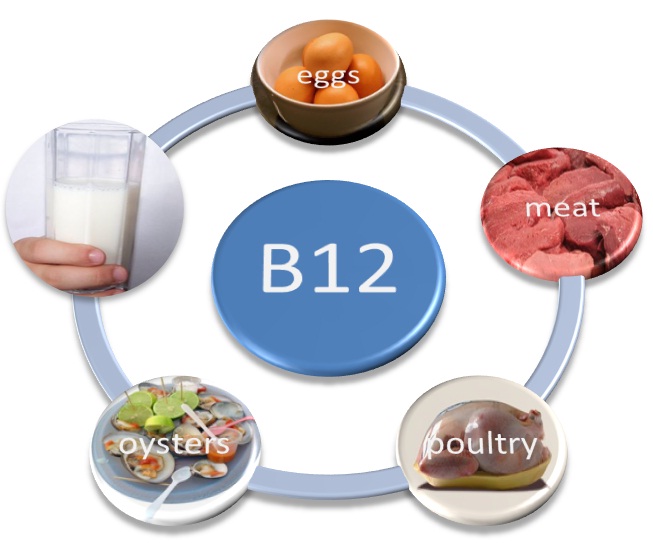
శాకాహారులకు దక్కని విటమిన్- B12
‘B విటమిన్’ మన శరీరానికి చాలా అవసరం అన్న విషయంలో ఎవరకీ ఏ సందేహమూ లేదు. ఇందులోనూ ఒకటి కాదు రెండు కాదు 8 రకాల విభాగాలు (B1, B2...) ఉన్నాయనీ, అవన్నీ కూడా శరీరానికి చాలా అవసరం అనీ తెలుసు. కానీ వీటిలో విటమిన్ B12 గురించి మాత్రం ప్రత్యేకంగా చెప్పుకోక తప్పదు! జీవక్రియలకు తప్పనిసరి ఎర్ర రక్తకణాల ఉత్పత్తిలోనూ, నాడీ వ్యవస్థ పనితీరులోనూ B12ది చాలా ముఖ్య పాత్ర. ఒక్క మాటలో చెప్పాలంటే మన శరీరంలోని జీవక్రియ సాగడంలో B12ది ఒక ప్రధాన పాత్ర. ఈ విటమిన్ కనుక లేకపోతే మన DNA వ్యవస్థ కూడా కుదేలవక తప్పదు. దురదృష్టవశాత్తూ మన శరీరం ఈ విటమిన్ను స్వయంగా తయారుచేసుకోలేదు. దాంతో బయట నుంచి వచ్చే ఆహారం మీదే శరీరం ఆధారపడవలసి ఉంటుంది. అక్కడే వస్తుంది అసలు చిక్క! మాంసాహారంలోనే ఎక్కువ వృక్షసంబంధమైన ఏ ఆహారంలోనూ ఈ B12 కనిపించదు. కేవలం మాంసాహారంలోనూ, పాలపదార్థాలలోనూ, గుడ్లలోనే ఈ విటమిన్ కనిపిస్తుంది. పెద్దవారిలో పాలు తాగే అలవాటు తక్కువ కాబట్టి, సహజంగానే ఈ విటమిన్ను తగినంతగా తీసుకునే శాకాహారుల సంఖ్య తక్కువగా కనిపిస్తుంది. తగినన్ని పాలని తీసుకున్నా కూడా ఒకోసారి వాటిని జీర్ణం చేసుకోలేకపోవడం, వాటిలోని విటమిన్ను శరీరం శోషించుకోలేకపోవడం వల్ల కూడా అవసరమైనంత మేర B12 లభించకపోవచ్చు. ఇతరత్రా కారణాలు VEGAN అనే నియమాన్ని పాటించేవారు కొందరుంటారు. వీరు పాలు, పెరుగులతో సహా జంతువులకు సంబంధించిన ఏ ఉత్పత్తినీ ముట్టుకోరు. వీరిలో ఈ విటమిన్ లోపం మరింత తీవ్రంగా ఉండే ప్రమాదం ఉంది. ఇక జీర్ణాశయం సరిగా పనిచేయకపోవడం, రక్తహీనత, మద్యపానం, కొన్ని రకాల మందుల దుష్ప్రభావం... ఇవన్నీ కూడా మన శరీరానికి తగినంత B12 లభించకుండా అడ్డుకునే ప్రమాదం ఉంది. నష్టాలు అపారం శరీరానికి తగినంత B12 లభించకపోతే అపారమైన నష్టాలు ఏర్పడతాయని హెచ్చరిస్తున్నారు నిపుణులు. వాటిలో కొన్ని నష్టాలు శాశ్వతంగా ఉండిపోయే ప్రమాదమూ ఉందని హెచ్చరిస్తున్నారు. B12 లోపం వల్ల ఏర్పడే ఇబ్బందులలో కొన్ని... - ఊపిరి తీసుకోవడంలో ఇబ్బందులు. - అతిగా ఆలోచించడం, ప్రతి విషయానికీ క్రుంగిపోవడం. - ఆకలి మందగించడం, అరుగుదలలో సమస్యలు. - రక్తహినత, దాని వల్ల శరీరం పాలిపోయినట్లు కనిపించడం. - నాడీవ్యవస్థలో ఇబ్బందుల. వాటి వల్ల శరీరం తిమ్మిర్లు ఎక్కినట్లు తోచడం, కండరాలు బలహీనపడిపోవడం. పరిష్కారం మాంసాహారులకి B12 లోపాన్ని అధిగమించడం అంత కష్టమేమీ కాదు. ఎందుకంటే మాంసం, చేపలు వంటి ఆహారంలో ఈ విటమిన్ పుష్కలంగా లభిస్తుంది. ఎటొచ్చీ శాకాహారుల మాత్రం ఈ విషయంలో కాస్త తరచి చూసుకోవాల్సిన పరిస్థితి ఉంది. B12 లోపాన్ని అధిగమించేందుకు సూక్ష్మజీవుల ద్వారా మందులను (supplements) తయారుచేస్తూ ఉంటారు. వైద్యుల సలహా మేరకు ఈ మందులను తీసుకోవడం మంచిది. అయితే పాలు, పాల పదార్థాలను పుష్కలంగా తీసుకుంటే కనుక ఈ సమస్యను చాలావరకూ నివారించవచ్చు. ఏది ఏమైనా మన శరీరానికి తగినంతగా B12 అందుతోందా లేదా? అందకపోతే ఎలాంటి చర్యలు తీసుకోవాలి? అన్న విషయమై ఒకసారి వైద్యుని సంప్రదించడం మేలు. - నిర్జర.
read more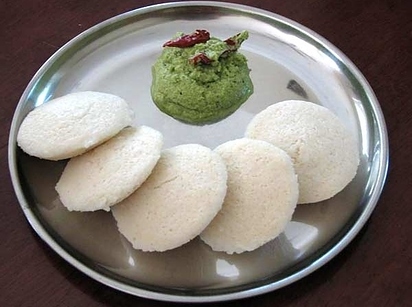
Why is Breakfast a must?
Many people love to shed some calories but don’t have enough time or commitment to shed it in the proper way. So! Many try to skip their breakfast to achieve the loss weight. But alas! We seldom come across a person who has lost weight by regularly skipping his breakfast. But we often come across the news that... `Skipping breakfast might be injurious to health.’ And this is why... Fills the empty cup Breaking the fast is a way to provide our body with enough fuel. Our bodies after a long sleep would be craving for the essential calories and nutrients needed to step into the daily routine. We could be messing with the sugar levels in the body if we don’t take a breakfast. That might be the reason why, skipping the breakfast is associated with diabetes by a research published in the `American Journal of Clinical Nutrition’. Kicks the day off It isn’t a weakness to feel lazy during the early hours. Man is indeed a lazy being and loves to stay cozy in bed. Breakfasts are known to shatter the morning laziness and get us prepared for the day. It gives a boost to our metabolism which allows the body to start burning the calories. Let’s us stay focussed Whether it is a housewife or a job doing husband or a school going child... everyone needs to stay focussed throughout the day to accomplish their tasks. And breakfast is proven to induce such focus. Having breakfast is said to improve the cognitive functions in our brain. Children who breakfast regularly are known to attain better grades and be vigilant in their classrooms. Weight Loss! Surprising, but having regular breakfast is linked with losing weight. Researchers have provided us with lots of reasons for such conclusion. - Eating breakfast is known to reduce hunger throughout the day. - People who skip breakfast are prone to eat much food during their lunch. This means that we are providing our body with too many calories! Such a habit is known to create a chain reaction within our body leading to higher deposits of LDL (bad) cholesterol. - People who breakfast regularly are known to make better choices of food at other meals, as they are less hungry. - Traditional breakfasts mostly consist of foods such as eggs, cornflakes, whole wheat bread, fruits, Idli’s... which are low in fat but high in nutritional values. People who breakfast daily are known to be healthier than others.... and after taking a look at the above factors, we can see why! - Nirjara.
read more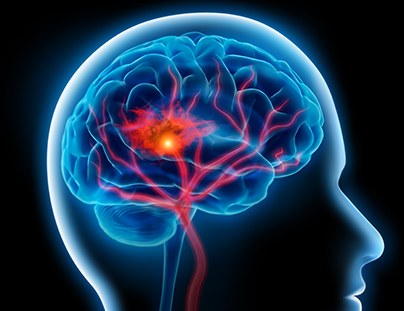
It’s easy to prevent strokes
Brain strokes are the most common monsters that turn our lives futile. A person after the stroke would either get disabled for ever or would get feeble. Most of the times, a stroke would leave a mark on the health of such person. But thanks to the gaining awareness in health, people are now realising that a stroke can be prevented, if we take certain precautions. Experts too have concluded that 9 out of 10 strokes are certainly preventable. Here is one such research done by the experts from Canada, which is indicating certain factors that could drastically cut off the chances for a brain stroke... Blood Pressure: The data collected by the researchers have found a close relation between the high blood pressure and brain stroke. People with high blood pressure seem to be in the danger of getting a stroke by almost 48%. This means that the trouble of a stroke would be cut down to half if we control our pressure levels. Shake it up: Most of us are of course, the victims of sedentary life style. We don’t and often need not move an inch from our chairs. So, it would be of no surprise to learn that people with no physical activity are prone to brain stroke by 23%. So we should probably be moving our body to save our mind. Burning the life? Nicotine might boost your mood, but certainly can disappoint your neurons. And so does the alcohol. Both smoking and boozing seems to find their place for being worst factors that lead to stroke. Experts are advising us to throw the cigars away before they char our brain. Getting rid of smoking habit seems to reduce the chances of stroke by 10%. Food and Fat: The advice to eat good food need not be based on a huge research. It’s just a matter of common sense and experts are pleading us to follow it. Intake of food that is rich in fibre and nutrients shouldn’t be a difficult choice for us. Further, keeping the cholesterol and diabetes levels in control were also needed to get rid of a stroke. Medication: People often knew that there is something wrong with their health. They might be diabetic or might be suffering from a high blood pressure- but would often neglect, either to consult a doctor, or to follow his prescription regularly. Proper medication and regular health check up is a key to diagnose any irregularities within our body in forehand and restrict their effect. - Nirjara.
read more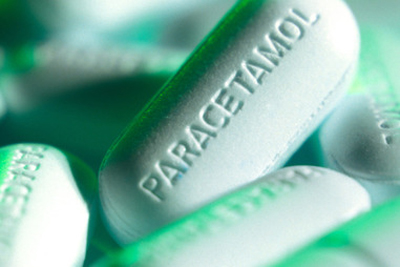
పేరసెటమాల్ క్షేమం కాదా!
ప్రపంచంలో ఎక్కువమందికి తెలిసిన మందు పేరు.... పేరాసెటమాలే అయి ఉంటుంది. అంతేకాదు! ఏ ఇంగ్లిషు మందుని తీసుకున్నా దుష్ప్రభావాలు తప్పవని వాదించేవారు కూడా పేరాసెటమాల్ విషయంలో కాస్త సానుకూలంగానే ఉంటారు. అందుకేనేమో పేరసెటమాల్ ఇప్పటికీ ఒక ‘Non prescriptive drug’ గానే ఉండిపోయింది. అంటే ఎవరు పడితే వారు మందుల దుకాణానికి వెళ్లి దీన్ని కొనుక్కొని నోట్లో వేసేసుకోవచ్చు. పైగా చాలామంది దృష్టిలో పేరాసెటమాల్ ఒక దివ్యౌషధం. ఇది అటు నొప్పిని (Analgesic) ఇటు జ్వరాన్నీ (Antipyretic) నివారించి పారేస్తుంది. కానీ గత పక్షం రోజులుగా వచ్చిన కొన్ని పరిశోధనా ఫలితాలు... పేరసెటమాల్ అనుకున్నంత క్షేమమేనా అన్న అనుమానాలను రేకెత్తిస్తున్నాయి. సంతానలేమి! పేరాసెటమాల్ను ఎక్కువ మోతాదులో తీసుకుంటే లివర్ దెబ్బతింటుదన్నమాట తరచూ వింటున్నదే! అయితే ఒక స్థాయి దాటిన తరువాత పేరాసెటమాల్ మగవారిలో సంతానలేమికి కూడా దారి తీస్తుందని పరిశోధనలు సూచిస్తున్నాయి. సాక్షాత్తూ అమెరికా ఆరోగ్య శాఖ ఆధ్వర్యంలో నడిచే National Institutes of Health (NIH) అనే సంస్థ చేసిన పరిశోధనలో తేలిన విషయం ఇది! ఇందుకోసం వారు 500 పైగా జంటలను నాలుగు సంవత్సరాల పాటు గమనించారు. తరచూ పేరాసెటమాల్ తీసుకునే మగవారిలో, సంతానం కలిగే అవకాశాలు 35 శాతం తక్కువగా ఉన్నాయని తేల్చారు. వీరి మూత్రంలోని పేరాసెటమాల్ అవశేషాల ఆధారంగా పరిశోధకులు ఈ నిర్ణయానికి వచ్చారట. అశ్చర్యకరంగా.... స్త్రీలు పేరాసెటమాల్ తీసుకోవడానికీ, వారిలో సంతానలేమికీ పెద్దగా సంబంధం కనిపించలేదు. గర్భవతులుగా ఉన్నప్పుడు! స్త్రీలు పేరాసెటమాల్ తీసుకోవడానికీ, వారిలో సంతానం కలగడానికీ పెద్దగా సంబంధం బయటపడకపోవచ్చు. కానీ అంతకంటే విషాదకరమైన ఫలితాన్ని మరో పరిశోధన వెలువరుస్తోంది. గర్భవతులు తరచూ పేరాసెటమాల్ను తీసుకోవడానికీ, వారి పిల్లల్లో మానసికమైన సమస్యలు ఏర్పడటానికి మధ్య కొంత సమన్వయం ఉందని ఈ పరిశోధన తేలుస్తోంది. ఇందుకోసం స్పెయిన్లో కొన్ని ఆరోగ్య సంస్థలు కలిసి దాదాపు 2,500 మంది స్త్రీలను పరిశీలించారు. వారు గర్భం దాల్చిన దగ్గర్నుంచీ 32 వారాలపాటు వారి అలవాట్లను నిశితంగా పరిశీలించారు. వారికి పుట్టిన పిల్లలను ఐదేళ్లు వచ్చేవరకూ గమనించారు. ఇంత పరిశోధించిన తరువాత తేలిందేమంటే పేరసెటమాల్ మాత్రను ఒక్కసారైనా తీసుకునే గర్భవతులకు పుట్టిన పిల్లల్లో.... హైపర్ యాక్టివిటీ, ఆటిజం వంటి లక్షణాలు స్పష్టంగా కనిపించాయి. పేరసెటమాల్ నొప్పిని తగ్గించేందుకు మెదడులోని న్యూరాన్లను ప్రభావితం చేస్తుంది కాబట్టి... బహుశా అది తల్లి గర్భాన ఎదుగుతున్న పసిమెదళ్ల మీద కూడా ప్రభావం చూపుతూ ఉండవచ్చన్నది పరిశోధకులు అభిప్రాయం. పైన పేర్కొన్న రెండు పరిశోధనల ఫలితాలూ సామాన్యులను కొంత భయపెట్టడం సహజమే! అయితే ఈ పరిశోధనలని చాలామంది నిపుణులు అసంపూర్ణమైనవిగానే కొట్టిపారేస్తున్నారు. ఈ నివేదికలు పేర్కొన్న నిజానిజాలను ధృవీకరించేందుకు మరిన్ని పరిశోధనలు జరగాలని పేర్కొంటున్నారు. ఏది ఏమైనా విచక్షణారహితంగా ఎలాంటి మందులనూ వాడకూడదన్న విషయం మాత్రం ఈ పరిశోధనలతో రుజువవుతోంది. తస్మాత్ జాగ్రత్త! - నిర్జర.
read more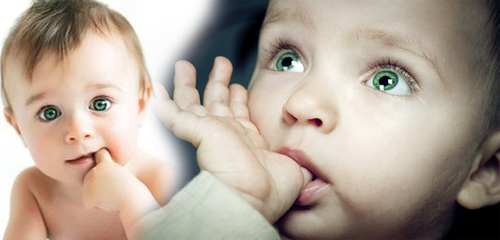
వేళ్లు నోట్లో పెట్టుకుంటే ఆరోగ్యం!
పిల్లలు తల్లి గర్భంలో ఉండగానే వారిలో వేళ్లను నోట్లో పెట్టుకునే అలవాటు ఉంటుందట. కానీ వారు బయట ప్రపంచంలోకి వచ్చి, పెరిగి పెద్దయ్యే కొద్దీ ఈ అలవాటుని మానుకోకపోతే పెద్దలు బెంబేలెత్తిపోతుంటారు. నయానోభయానో తమ పిల్లలలో ఈ అలవాటుని మాన్పించేందుకు ప్రయత్నిస్తూ ఉంటారు. అందుకోసం వారిని కొట్టడమో, వేళ్లకి బ్యాండేజీలు చుట్టడమో చేస్తుంటారు కూడా! కానీ ఆశ్చర్యకరంగా... పిల్లల్లో వేళ్లు చీకే అలవాటు మున్ముందు కొన్ని అనారోగ్య సమస్యలని దూరంగా ఉంచుతుందని ఒక పరిశోధన చెబుతోంది. 40 ఏళ్ల పరిశోధన! పిల్లల్లో వేళ్లు నోట్లో పెట్టుకునే అలవాటు ఉంటే దానివల్ల వారి పళ్లు దెబ్బతింటాయనీ, నత్తి వచ్చే ప్రమాదం ఉందనీ... అటు వైద్యులూ, ఇటు తల్లిదండ్రులూ కంగారుపడటం సహజం. కానీ న్యూజిలాండ్లో దాదాపు 40 ఏళ్లుగా జరుగుతున్న ఓ పరిశోధన ఇందుకు విరుద్ధమైన ఫలితాలను వెల్లడిస్తోంది. ఈ పరిశోధనలో భాగంగా నిపుణులు 1972-1973 సంవత్సరాల మధ్య పుట్టిన ఒక 1037 మంది పిల్లలను గమనిస్తూ వస్తున్నారు. ఎదుగుతున్న కొద్దీ ఆ పిల్లల్లో ఎలాంటి అలవాట్లు ఏర్పడుతున్నయో నమోదు చేస్తున్నారు. ఇందులో భాగంగా వారిలో 5,7,9,11 ఏళ్ల వయసు ఉన్నప్పుడు ఎవరెవరిలో గోళ్లు కొరుక్కోవడం, వేళ్లు చప్పరించడం అనే అలవాట్లు ఉందో పరిశీలించారు. తరువాతకాలంలో... తాము పరిశోధన కోసం ఎంచుకున్న పిల్లలకి 13, 32 ఏళ్ల వయసు వచ్చినప్పుడు వారి మీద కొన్ని పరీక్షలు జరిపారు పరిశోధకులు. ఇందులో భాగంగా దుమ్ముకణాలు, పెంపుడు జంతువులు, ఇంట్లో కనిపించే సూక్ష్మక్రిములు... వంటివాటి నుంచి సదరు పిల్లలకు అలెర్జీలు సోకే అవకాశం ఏమేరకు ఉందో పరీక్షించారు. ఆశ్చర్యకరంగా వేళ్లనీ చీకే అలవాటు ఉన్న పిల్లల్లో అలెర్జీలను ఎదుర్కొనే శక్తి 31 శాతం అధికంగా ఉన్నట్లు తేలింది. పైగా పిల్లల్లో వేళ్లని చప్పరించడంతో పాటుగా, గోళ్లు కొరుక్కునే అలవాటు కూడా ఉంటే వారిలో ఈ నిరోధక శక్తి మరింత అధికంగా కనిపించింది. కారణం ! మన వేళ్ల మీదా, గోళ్ల లోపలా రకరకాల సూక్ష్మక్రిములు నివాసం ఉంటాయన్న విషయం తెలిసిందే. అయితే చిన్నతనంలోనే వీటికి పిల్లలు అలవాటు పడటంతో, వారిలో సదరు క్రముల పట్ల నిరోధక శక్తి పెరుగుతుందని అంటున్నారు పరిశోధకులు. అయితే ఏఏ క్రిముల పట్ల ఇలాంటి నిరోధక శక్తి లభిస్తుందో ధృవపరిచే ప్రయత్నంలో ఉన్నారు. అలాగని పిల్లల్లో ఈ అలవాట్లు కనిపిస్తే చూసీ చూడకుండా ఊరుకోవడం మంచిది కాదని కూడా హెచ్చరిస్తున్నారు. ముఖ్యంగా ఒక వయసు దాటిన పెద్ద పిల్లలు కనుక గోళ్లు కొరుక్కోవడమో, వేళ్లు చప్పరించుకోవడమో చేస్తుంటే తప్పకుండా వైద్యుని సంప్రదించమని చెబుతున్నారు. పెద్ద వయసులో ఇలాంటి అలవాట్లు ఉండటం తీవ్రమైన అనారోగ్య సమస్యలకు దారితీస్తుందనీ, కొన్ని మానసిక సమస్యలకు కూడా ప్రతిబింబంగా మారుతుందనీ తేల్చి చెబుతున్నారు. కాబట్టి పసి పిల్లల్లో కనుక వేళ్లు నోట్లో పెట్టుకునే అలవాటు ఉంటే దానిని మాన్పించే ప్రయత్నం అయితే చేయవచ్చు కానీ.... మరీ బెంబేలెత్తిపోవల్సిన అవసరం మాత్రం లేదన్నమాట! - నిర్జర.
read more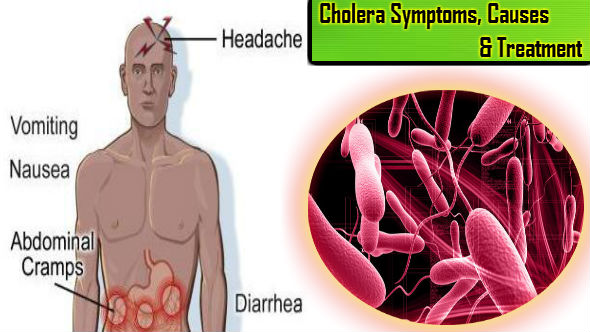
కలరా కలవరపెడుతోందా!
ప్రపంచం ఎంతగా అభివృద్ధి చెందినా... రోగం అనే పదం మనిషిని ఇంకా వెన్నాడుతూనే ఉంది. ఏదో ఒకవైపు నుంచి విరుచుకుపడుతూనే ఉంది. వీటిని ఎదుర్కొనేందుకు చాలా మందులు ఉండవచ్చు కాక! కానీ నివారణను మించిన మార్గం లేనే లేదు. ఇప్పుడ కలరాదీ అదే పరిస్థితి! ఒకప్పుడు కలరా వ్యాపిస్తే లక్షలాదిమంది పిట్టల్లా రాలిపోయేవారు. మానవచరిత్రలో కలరా బారిన పడి చనిపోయినవారి సంఖ్య కోట్ల మీదే ఉంటుంది. కానీ అదృష్టవశాత్తూ ఇప్పుడు కలరాని ఎదుర్కొనేందుకు మంచి మందులు అందుబాటులో ఉన్నాయి. అయినా కలరా గురించి తెలుసుకోవడమే, దాన్ని ఎదుర్కొనేందుకు తొలిమార్గం! ఇదీ కారణం మనుషులు తీసుకునే ఆహారంలో, మరీ ముఖ్యంగా మంచినీరులో ‘విబ్రియో కలరే’ అనే సూక్ష్మక్రిమి చేరడం వల్ల కలరా వ్యాపిస్తుంది. ఇది మన పేగులలో చేరి శరీరాన్ని అస్తవ్యస్తం చేస్తుంది. కలరా సోకిన మనిషిలో వాంతులు, విరేచనాలు, దాహం, గొంతు పొడిబారిపోవడం, కండరాల నొప్పులు, కడుపునొప్పి... ఇలా చాలా రకాలైన లక్షణాలు కనిపించవచ్చు. శరీర తత్వాన్ని బట్టి ఈ లక్షణాలు ఒక గంట నుంచి ఐదు రోజుల వరకూ ఎప్పుడైనా బయటపడవచ్చు. అలాగని కలరా సోకిన వారందరిలోనూ ఈ లక్షణాలు కనిపిస్తాయనుకోవడానికి లేదు. ఎలాంటి లక్షణాలు లేనివారు తమకు తెలియకుండానే ఇతరులకు కలరాని అంటించే ప్రమాదం లేకపోలేదు. వ్యాపించే తీరు! కలరా సోకిన మనిషి మలమూత్రాల ద్వారా ఈ వ్యాధి చాలా త్వరితగతిన ఇతరులకు వ్యాపించే ప్రమాదం ఉంటుంది. నీటిలో కలిసి ఈ విసర్జితాలన ద్వారా కలరా వ్యాపిస్తుంది. మన ఇంట్లో తాగే నీటి పట్ల చాలా జాగ్రత్తగా ఉండవచ్చు. కానీ హోటళ్లు, చిరుతిండి బళ్లు, బస్టాండుల వంటి ప్రదేశాలలో నీటి గురించి అంత శ్రద్ధ వహించే అవకాశం ఉండకపోవచ్చు. నీరు చల్లగా ఉండేందుకు వాడే ఐస్ ఏ నీటితో తయారుచేస్తున్నారో తెలియదు. మనం వాడే కూరగాయలు ఏ నీటిలో పండిస్తున్నారో తెలుసుకోలేం! ఆఖరికి పానీపూరీ వంటి పదార్థాలలో ఏ నీరు కలుస్తోందో చెప్పలేం! అందుకని కలరా గురించిన వార్తలు వినిపిస్తుంటే... తినే ఆహారం విషయంలోనూ, తాగే నీటి విషయంలోనూ వీలైనంత జాగ్రత్త వహించడం అవసరం. ఎలాంటి జాగ్రత్తలు? - పైపుల్లో వస్తున్న నీరు రంగుమారినట్లు కానీ, వాసనతో కానీ వస్తుంటే వెంటనే అధికారులకు ఫిర్యాదు చేయాలి. - కలరా వ్యాపించిందని తెలియగానే త్రాగునీటిని కాచి చల్లార్చి వడబోసి మాత్రమే తాగాలి. ముఖ్యంగా పిల్లలుండే ఇళ్లలో ఈ జాగ్రత్తను తప్పకుండా పాటించాలి. - బయటకు వెళ్లేటప్పుడు ఒక బాటల్ నీటిని వెంట తీసకువెళ్లక తప్పదు. దీనివల్ల ఎక్కడ దాహం వేస్తే అక్కడి నీటిని తాగాల్సిన అగత్యం ఉండదు. - బయట నుంచి వచ్చిన తరువాత కూడా కాళ్లూచేతులను శుభ్రంగా కడుక్కోవడం మరువకూడదు. - వాంతులు, విరేచనాలు వంటి కలరాకు సంబంధించిన ఎలాంటి లక్షణాలు కనిపించినా వైద్యులను సంప్రదించడం మంచిది. కలరాను కనుక నిర్లక్ష్యం చేస్తే అది ప్రాణాంతకంగా పరిణమించవచ్చు. - పళ్లు, కూరగాయలను వాడకానికి ముందు శుభ్రంగా కడగాలి. కలరా భయం తీరేంతవరకూ పళ్లు, కాయగూరలను చెక్కుతీసుకునే వాడుకోవాలి. ఈ చర్యలతో కలరా ఆమడ దూరంలో ఉండిపోతుందని వేరే చెప్పనవసరం లేదు కదా! - నిర్జర.
read more
మంచి ఆహారం అంత మంచిది కాకపోవచ్చు!
మంచి ఆహారం అంత మంచిది కాకపోవచ్చు! నలుగురూ నడిచేదారే సవ్యమైనది కాకపోవచ్చు. అందరూ మంచి అని నమ్మేదే నిజం కావాలన్న నియమం ఏదీ లేదు! ఆహారంలో పోషకాల విలువలకి సంబంధించి కూడా ఇదే విషయం వర్తిస్తుందంటున్నారు నిపుణులు. సాధారణ పౌరులంతా ఆహా ఓహో అనుకునే ఆహారాలలో అంత పటుత్వం ఉందని చెప్పలేమంటున్నారు. ఈ విషయాన్ని రుజువు చేయడం కోసం ‘న్యూయార్క్ టైమ్స్’ పత్రిక ఓ పరిశోధనను చేసింది. అదేమిటంటే... ఆహారంలో పోషక విలువలకు సంబంధించి, అమెరికాలోని ఒక రెండువేల మంది పౌరుల అభిప్రాయాలను సేకరించింది న్యూయార్క్ టైమ్స్! ఒక యాభైకి పౌగా ఆహార పదార్థాల జాబితాను వీరికి అందించి వీటిలో ఏ పదార్థానికి ఎంత ప్రాముఖ్యతని ఇస్తున్నారో తెలియచేయమంది. మరోవైపు ఒక 672 మంది పోషకాహార నిపుణులను కూడా సంప్రదించింది. పౌరులకు అందించిన ఆహారపదార్థాల జాబితానే ఈ నిపుణులకు కూడా అందించింది. ఆ జాబితాలో ఉన్న పదార్థాల మీద వారి అభిప్రాయమూ సేకరించింది. పోషక పదార్థాలకు సంబంధించి ఇటు పౌరులకీ, అటు పోషకాహార నిపుణులకి ఉన్న అభిప్రాయాలలో భూమ్యాకాశాలకు ఉన్నంత వ్యత్యాసం కనిపించింది. ఉదాహరణకు ఈ మధ్య కాలంలో రకరకాల పప్పులతో రూపొందిస్తున్న ఎనర్జీ బార్స్ (granola bars) అద్భుతమైన పోషకాలను అందిస్తాయని 71 శాతం పౌరులు భావిస్తే, కేవలం 28 శాతం నిపుణులు మాత్రమే ఈ వాదనతో ఏకీభవించారు. దీనికి పూర్తివ్యతిరేకంగా ద్రాక్షసారాయి (Wine) ఆరోగ్యానికి మంచిదని 70 శాతం మంది నిపుణులు అనుకుంటే, కేవలం 52 శాతం పౌరులు మాత్రమే ఈ అభిప్రాయానికి అనుకూలంగా ఉన్నారు. అలాగని అన్ని ఆహారపదార్థాల విషయంలోనూ ఈ వైరుధ్యం కనిపించింది అనుకోవడానికి లేదు. పాప్కార్న్, జున్ను, పాలు వంటి పదార్థాలు ఆరోగ్యానికి మంచివని అటు నిపుణులూ, ఇటు పౌరులూ ఏకగ్రీవంగా అంగీకరించారు. ఇంతకీ పౌరులు, నిపుణుల అభిప్రాయాల మధ్య ఇంత వైరుధ్యం ఎందుకు తలెత్తినట్లు! అంటే దానికి చాలా కారణాలే చెబుతున్నారు పరిశోధకులు. - ఆహారపదార్థాలలో పైపైన కనిపించే మెరుగులకి పౌరులు ఆకర్షింపబడతారే కానీ అందులో అంతర్గతంగా ఉన్న అంశాల జోలికి పోరు. ఉదాహరణకు ఎనర్జీ బార్స్లో ఉండే పప్పుల గురించి ఆలోచిస్తారే కానీ ఆ చాక్లెట్లని రూపొందించేందుకు వాడే చక్కెర పదార్థాలని పట్టించుకోరు. - పౌరుల ఆలోచనాతీరు ఎక్కువగా ప్రకటనల వల్ల ప్రభావితం అవుతూ ఉంటుంది. ఉదాహరణకు... నారింజరసం తాగడం వల్ల వెంటనే శక్తి, పోషకాలు కలుగుతాయని తరచూ ప్రకటనలు వస్తే... అది నిజమే కాబోసు అని వారు నమ్మేస్తారు. కానీ అందులో పీచుపదార్థాలు ఉండవనీ, చక్కెర శాతం అధికమనీ నిపుణులు మాత్రమే గుర్తించగలుగుతారు. - మన రోజువారీ అవసరాలను తీర్చేందుకు ఏఏ పోషకాలు ఏ స్థాయిలో అవసరం అన్న అవగాహన సాధారణ పౌరులకు తక్కువగా ఉంటుంది. కాబట్టి మనం ఆరోగ్యమైన ఆహారం అనుకునేదో, ప్రకటనల్లో కనిపించే అభిప్రాయాలో నిజం అనుకోవడానికి వీల్లేదని ఈ పరిశోధన తేల్చి చెబుతోంది. ఏది నిజమైన పోషకాహారమో తెలియాలంటే నిపుణుల మాట వినాలని హెచ్చరిస్తోంది. - నిర్జర.
read more
గార్డెనింగ్తో ఆరోగ్యం!
ఉరుకులు పరుగులు పెట్టే జీవితంలో ఎవ్వరికీ నిమిషం ఖాళీ ఉండటం లేదు. ఇంత వేగంగా సాగే జీవితంలోనూ మొక్కలని పెంచడం అంటే ఇష్టపడేవారు లేకపోలేదు. ఇంటి పెరడులో ఏ కాస్త జాగా ఉన్నా, రోజులో ఏ మాత్రం ఖాళీ ఉన్నా... తోటపనిలో తృప్తిని పొందేవారు కనిపించకపోరు. కానీ తోటపని అనేది కేవలం ఒక వ్యాపకం మాత్రమే కాదనీ, అద్భుతమైన ఆరోగ్యాన్ని సాధించే మార్గం అని అంటున్నారు నిపుణులు. నమ్మనివారి కోసం చాలా కారణాలనే చూపిస్తున్నారు. ప్రశాంతత లభిస్తుంది: నెదర్లాండ్స్ చెందిన కొందరు నిపుణులు ఆ మధ్య ఒక పరిశోధనను చేశారు. అందులో భాగంగా రోజులో ఒక అరగంటపాటు కొందరిని తోటపని చేయమని, మరికొందరిని ఇంట్లోనే ఉండి చదువుకోమనీ చెప్పారు. ఫలితం! తోటపని చేసిన వారి మనసు చాలా ఉల్లాసంగా మారిపోయిందట. పైగా మానసిక ఒత్తిడి కారణంగా ఉత్పత్తి అయ్యే ‘కార్టిసాల్’ అనే రసాయనం కూడా వీరిలో తగ్గుముఖం పట్టిందట. ఊబకాయం నుంచి గుండెజబ్బుల వరకూ నానారకాల అనారోగ్య సమస్యలకూ ఈ కార్టిసాల్ ఓ కారణం! దీనిని బట్టి తోటపని అమితమైన ఆనందాన్ని, ఆరోగ్యాన్ని కలిగిస్తుందని తేలిపోయింది. అధిక వ్యాయామం: చాలామంది నడక, సైక్లింగ్, ఈత వంటి వ్యాయామాలే అత్యద్భుత ఫలితాలు ఇస్తాయని అనుకుంటారు. కానీ తోటపని ఒకటి ఉందన్న విషయం మర్చిపోతారు. తోటపనిలో మట్టిని తవ్విపోయడం, పాదులు కట్టడం, మొక్కలు నాటడం, కలుపుని ఏరివేయడం... ఇలా చాలా పనే చేయవలసి ఉంటుంది. దీని వల్ల శరీరానికి కావల్సినంత వ్యాయామం లభిస్తుంది. పైగా ఈ తోటపని చేసే సమయంలో కళ్ల దగ్గర్నుంచీ వేళ్ల వరకూ ప్రతీ అవయవమూ నేర్పుగా పనిచేయాల్సి ఉంటుంది. అంటే శరీరంలోని ప్రతిభాగానికీ ఇది చురుకుదనాన్ని అందిస్తుందన్నమాట! పైగా శరీరం ఎటు పడితే అటుగా వంగే నేర్పునీ అలవరుస్తుంది. విటమిన్ డి: శరీరానికి ప్రకృతి సిద్ధంగా సూర్యరశ్మి నుంచి లభించే పోషకం- విటమిన్ ‘డి’. కానీ నాలుగు గోడల మధ్యనే ఉండిపోతున్న జీవనశైలి వల్ల ఈ డి విటమిన్ కూడా ఇప్పుడు మనకి దూరమవుతోంది. దీంతో శరీరానికి అవసరమయ్యే కాల్షియంను శోషించుకునే శక్తిని కోల్పోతున్నాము. చర్మవ్యాధుల దగ్గర్నుంచీ చక్కెర వ్యాధి వరకూ... చాలా సమస్యలని అదుపులో ఉంచేందుకు డి విటమిన్ అత్యవసరం. తరచూ తోటపని చేయడం వల్ల ఈ డి విటమిన్ మనకు కావల్సినంతగా లభించే అవకాశం ఉంది. మెదడుకీ మంచిదే!: తోటపనిలో కేవలం శరీరం మాత్రమే కాదు... మెదడు కూడా పనిచేస్తూ ఉంటుంది. కాబట్టి వృద్ధాప్యంతో పాటు వచ్చే అల్జీమర్స్, మతిమరపు వంటి సమస్యలకి తోటపని చాలా ఉపయుక్తమట! తోటపని చేసే అలవాటు లేనివారితో పోలిస్తే, ఆ అలవాటు ఉన్నవారిలో మతిమరపు సమస్య దాదాపు 47 శాతం తక్కువగా ఉన్నట్లు ఓ పరిశోధనలో తేలింది. సంతృప్తి: తోటపని చేసేవారిలో..... తాము ఒక మొక్కకి జీవం పోసామన్న సంతృప్తి, ఆ మొక్కలు పెరుగుతున్నప్పుడు కలిగే సంతోషం ఏ ఆస్తిపాస్తులకీ తీసిపోవు. ఇక తాము నాటిన చెట్ల నుంచి సహజసిద్ధంగా లభించే కూరగాయలు తిన్నప్పుడు ఎలాంటి అనారోగ్యమూ దరిచేరదు. చెట్లని పెంచడం, వాటి మధ్య ఉండటం... మనిషికి తాను కూడా ప్రకృతిలో ఒక భాగం అన్న భావనను కలిగిస్తుంది. ప్రకృతితో ఉండే ఆ అనుబంధంతో అతని ఆయుష్షు మరింతగా పెరుగుతుంది. - నిర్జర.
read more
మైదాతో జాగ్రత్త!
ఒకప్పుడు దక్షిణాది భారతీయులకి మైదా అంటే ఏమిటో తెలియదు. బియ్యం లేదా గోధమపిండితోనే వారి జీవనశైలి ముడిపడి ఉండేది. కానీ ఇప్పుడో! బేకరీల దగ్గర నుంచీ పరాఠా హోటళ్ల దాకా మైదాదే ప్రపంచం. కానీ ఆహార నిపుణులు మాత్రం ఈ మైదాని స్లో పాయిజన్గా గుర్తిస్తున్నారు. వీలైనంతగా మైదాకు దూరంగా ఉండమంటూ హెచ్చరిస్తున్నారు. ఎందుకంటే... ఉత్పత్తిలోనే రసాయనాలు: గోధుమ గింజల్లో ఉండే పిండి పదార్థాలను వేరు చేస్తే అదే మైదాగా మారుతుంది. నిజానికి మైదా రంగు తెలుపు కాదు- పసుపు. పసుపు రంగులో ఉండే మైదాకు తెల్లటి తెలుపుని ఇచ్చేందుకు Benzoic peroxide అనే రసాయనాన్ని కలుపుతారు. ఇక మెత్తగా ఉండేందుకు alloxan అనే రసాయనాన్నీ వాడతారు. ఆహారంలో ఇలాంటి కృత్రిమ రసాయనాలు చేరిక ఏమంత ఆరోగ్యం కాదని వేరే చెప్పనవసరం లేదు కదా! ఒక్కసారిగా చక్కెర: మైదాలో GI (glycaemic index) చాలా ఎక్కువగా ఉంటుంది. అంటే దీనిని తిన్నవెంటనే చాలా అధికంగా, చాలా త్వరగా చక్కెరను ఉత్పత్తి చేస్తుందన్నమాట. ఇలా త్వరగా ఉత్పత్తి అయిన చక్కెరను నియంత్రించేందుకు మన శరీరం ఇన్సులిన్ ఉత్పత్తిని కూడా పెంచాల్సి ఉంటుంది. తరచూ మైదాని తీసుకోవడం వల్ల ఇన్సులిన్ ఉత్పత్తి, తద్వారా పాంక్రియాస్ పనితీరు దెబ్బతింటుందని హెచ్చరిస్తున్నారు. ఇదే కనుక జరిగితే చక్కెర వ్యాధి బారిన పడక తప్పదు. పీచుపదార్థాలు సున్నా: మైదాలో పిండిపదార్థాలే కానీ పీచుపదార్థాలు కనిపించవు. మనం తిన్న ఆహారం సవ్యంగా జీర్ణం కావాలంటే, అందులో ఎంతో కొంత పీచుపదార్థం తప్పనిసరిగా ఉండితీరాలి. లేకపోతే జీర్ణవ్యవస్థకు సంబంధించిన సమస్యలు తలెత్తే అవకాశం ఉంది. పేగుల్లో పుండు మొదలుకొని మొలల వ్యాధి వరకూ నానారకాల రోగాలు దాడిచేసే ప్రమాదం మైదా కలిగిస్తోంది. పోషకాలు గుండుసున్నా: మైదాలో ఉండే పోషకాల పట్టికను చూస్తే గుండె తరుక్కుపోక తప్పదు. అందులో పిండిపదార్థాలు తప్ప విటమిన్లు కనిపించవు. ఇక ఖనిజాలు, ప్రొటీన్ల శాతమూ అంతంతమాత్రమే! అంటే మైదాతో చేసిన ఆహారాన్ని తీసుకోవడం వల్ల ఊబకాయం తప్ప మరేదీ మిగలదన్నమాట. అవసరానికి మించి తినిపిస్తుంది: మైదాలో gliadin అనే పదార్థం ఉంటుంది. ఇది ఆకలిని తాత్కాలికంగా పెంచుతుందని పరిశోధనలు రుజువుచేస్తున్నాయి. అంటే ఒక పరాఠా తిన్నవాడు వెంటనే మరో పరాఠా కోసం సిద్ధపడిపోతాడన్నమాట. అసలు మైదాలో ఉండేదే పిండిపదార్థాలు! ఇక ఈ పిండిపదార్థాలను రెట్టింపుగా తీసుకునేలా చేయడం వల్ల మైదా ఊబకాయానికి దారితీస్తోంది. మైదామయం: ఇప్పుడు ఏ సందు చివర చూసినా బేకరీలే కనిపిస్తున్నాయి. బేకరీ పదార్థాలలో మైదాదే ముఖ్యపాత్ర. పఫ్ దగ్గర నుంచి బ్రెడ్ వరకూ మైదా లేనిదే బేకరీలో పని జరగదు. ఇక ఈ మైదాకి తోడు అజినమోటో, MSG వంటి పదార్థాలు కలిస్తే ఇక చెప్పేదేముంది. అనారోగ్యాన్ని టోకుని ఆహారం ద్వారా తీసుకున్నట్లు అవుతుంది. అసటే మన ఆహారంలో పిండిపదార్థాల శాతం ఎక్కువ. బియ్యం, స్వీట్లు, దుంపలు... వంటి ఆహారాన్ని మనం అధికంగా తీసుకుంటూ ఉంటాము. ఇక వీటికి తోడు ఇప్పుడు బేకరీ చిరుతిళ్లు, పరాఠాలు, పూరీలు, చపాతీలు... అన్నీ కూడా మైదాతోనే తయారవుతున్నాయి. కాబట్టి మైదా పదార్థాల జోలికి పోయేముందు కాస్త నిదానించి, మంచీ చెడూ బేరీజు వేసుకుని అడుగు ముందుకు వేయమని హెచ్చరిస్తున్నారు నిపుణులు. - నిర్జర.
read more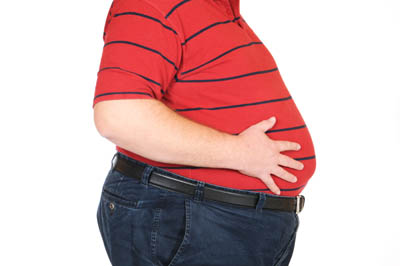
ఊబకాయం తగ్గాలంటే!
ఇప్పుడు ఎవరిని కదిపినా, ఊబకాయమే తమ ప్రధాన సమస్య అంటున్నారు. మారుతున్న జీవనశైలిలో కలిసి సాగినందుకు ప్రతిఫలంగా ఇప్పుడందరికీ ఊబకాయమే దక్కుతోంది. బరువెక్కిపోతున్న ఒంటితో మనిషి రూపం ఎలాగూ మారిపోతుంది. దీంతో రోజువారీ వెంటాడే సమస్యలు మొదలుకొని దీర్ఘకాలికంగా దెబ్బతీసే అనారోగ్యాల వరకూ ఏర్పడే దుష్ప్రభావాలు తక్కువేమీ కాదు. కానీ కాస్త జాగ్రత్తగా ఉంటే ఊబకాయం నుంచి దూరం కావడం అంత తక్కువేమీ కాదేమో.. మీరే చూడండి! సమస్యని గుర్తించడం: ఊబకాయం ఏర్పడటానికి ఒకొక్కరికీ ఒకో కారణం ఉంటుంది. కొంతమంది అధికంగా చక్కెర పదార్థాలు తినడం వల్ల (కార్బోహైడ్రేట్ ఎడిక్షన్) ఊబకాయం వస్తుంది. మరి కొందరికి మాంసాహారం ఎక్కువగా తినడం వల్ల వస్తుంది. ఇంకొందరికి కదలకుండా కూర్చోవడం వల్లో, తరచూ మద్యపానం చేయడం వల్లో వస్తుంది. అందుకని ముందుగా సమస్యని గుర్తించడం... దాన్ని ఎలా ఎదుర్కోవడం అన్నదాని మీద కసరత్తు జరగాలి. ఆహారంలో మార్పులు: ఆహారం అంటే ఔషధం అని ఆయుర్వేదం చెబుతోంది. మన శరీర తత్వానికీ, పరిస్థితికీ అనుగుణంగానే ఆహారాన్ని నిర్ణయించుకోవాలన్నది శతాబ్దాలుగా వినిపిస్తున్న మాట. కొన్ని ఆహారాలు చక్కెర అధికంగా ఉంది శక్తిని అందిస్తాయి. కొన్ని కావల్సిన పోషకాలని ఇస్తాయి. మరి కొన్నింటి వల్ల నష్టమే తప్ప ప్రయోజనం ఉండదు. అందుకని ఊబకాయాన్ని తగ్గించుకోవాలనుకున్న శ్రద్ధ ఉన్నప్పుడు అవసరానికి మించి శక్తిని అందించే బంగాళదుంప వంటి కూరలనీ బేకరీ పదార్థాలనీ విడనాడాలి. మనకి అవసరమయ్యే శక్తిని అందిస్తూనే, ఒంట్లోని కొవ్వుని కరిగించే ఓట్స్ వంటి పదార్థాలకి అధిక ప్రాధాన్యతను ఇవ్వాలి. శిక్షకుల అవసరం: ఊబకాయాన్ని తగ్గించుకునేందుకు ఏ యోగాసనాలో, వ్యాయామాలో చేసేయాలని ఉబలాటపడటం సహజం. కానీ నిపుణుడైన పర్యవేక్షకుని సలహా ఉన్నప్పుడే... ఒక క్రమశిక్షణ ప్రకారం, నియమానుసారంగా శ్రమించడం మంచిది. పైకి సాధారణంగా కనిపించే కపాలభాతి వంటి వ్యాయామాలు కూడా పర్యవేక్షకుని సలహా లేకపోతే ప్రాణాల మీదకి వచ్చే ప్రమాదం లేకపోలేదు. మన శరీర తత్వాన్ని, అవసరాన్ని దృష్టిలో ఉంచుకుని సదరు నిపుణులు ఎలాంటి వ్యాయామం చేయాలి? ఎప్పుడు చేయాలి? వాటిని పాటించేటప్పుడు ఏర్పడే ఇబ్బందులను ఎలా ఎదుర్కోవాలి? వంటి సూచనలు సలహాలు ఇస్తారు. చిట్కాలతో పోయేదేముంది: కొన్నికొన్నిసార్లు చిట్కావైద్యం అద్భుతాలు చేయవచ్చు. వేడి నీటిలో తేనెని కలుపుకుని తాడగం, రాగిచెంబులో ఉంచిన నీరు తాగడం, వెల్లుల్లిని తీసుకోవడం, గ్రీన్ టీ తాగడం... వంటి చిట్కాల మీద ఓ రాయి వేసి చూడవచ్చు. అయితే ఒకోసారి చిట్కా వైద్యం కూడా వికటించే ప్రమాదం ఉంది కాబట్టి... అజీర్ణం, నిద్రలేమి, వాంతులు వంటి దుష్ప్రభావాలు కనిపిస్తే ఈ చిట్కాలను ఆపేయడం మంచిది. ఇక నిపుణుల సలహా లేకుండా భస్మాలూ, పొడులూ వంటివాటి జోలికి పోకపోవడం ఉత్తమం. సహనమే శ్రీరామరక్ష!: ఏదో ఒక రోజున అద్దంలో ఊబకాయం ఉన్న విషయం మనల్ని బాధపెడుతుంది. వెంటనే దానిని తగ్గించుకునేందుకు హడావుడి పడిపోతాం. కానీ రోజులు గడుస్తున్నా మన శరీరంలో పెద్దగా మార్పులు రాకపోవడం చూసి నిరుత్సాహంతో మళ్లీ పాత జీవనశైలికే అలవాటుపడిపోతాము. కానీ ఊబకాయం ఒక్కరోజులోనో, ఒక్క నెలలోనో ఏర్పడినది కాదన్న నిజాన్ని మనం గ్రహించం. నెలల తరబడి పేరుకుపోయిన అధిక కొవ్వుని కరిగించేందుకు ఒకోసారి ఏళ్లు పడతాయన్ని విషయాన్ని అంగీకరించం. కాబట్టి ఊబకాయాన్ని తగ్గించుకోవాలంటే ముందు కావల్సింది సహనం. కోరుకున్న మార్పుని ఏళ్ల తరబడి ఆచరించే నిబద్ధత!
read more
ఆడవారు ఎక్కువసేపు ఉద్యోగం చేస్తే!
మారుతున్న సమాజంలో స్పష్టంగా కనిపించే అంశం... ఆడవారు కూడా ఉద్యోగసోపానంలో ఉన్నత శిఖరాలను అందుకోవడం! మరి తమను తాము నిరూపించుకునే క్రమంలో వారు ఛేదిస్తున్న లక్ష్యాలతో పాటుగా వెంటాడుతున్న అనారోగ్యాలు కూడా ఉన్నాయంటున్నారు పరిశోధకులు. ఆదివారం మినహా రోజుకి పదేసిగంటలపాటు ఉద్యోగం చేస్తూ ఉంటే... ఎవరికైనా చిన్నాచితకా ఆరోగ్య సమస్యలు రావడం సహజం. అలాంటివారు అజీర్ణం, ఊబకాయం... లాంటి అనారోగ్యాలను గమనించుకోక తప్పదు. ఈ విషయాన్ని శాస్త్రీయంగా రుజువు చేసేందుకు అమెరికాలోని ఓహియో స్టేట్ యూనివర్సిటీకి చెందిన ‘అలార్డ్’ అనే పరిశోధకుడు పూనుకున్నాడు. తన పరిశోధన కోసం దాదాపు 7,500 ఉద్యోగులను మూడు దశాబ్దాల పాటుగా గమనించాడు. వీళ్లలో గుండెజబ్బులు, కీళ్లనొప్పులు, ఉబ్బసం, రక్తపోటు, డిప్రెషన్ లాంటి సమస్యలు ఏర్పడటానికీ... పనిగంటలకీ మధ్య ఏమన్నా సంబంధం ఉందా అని పరిశీలించాడు. అలార్డ్ పరిశోధనల్లో... పనిగంటలకీ, పైన పేర్కొన్న వ్యాధులకీ కొంత సంబంధం ఉందని తేలింది. అయితే విచిత్రంగా ఆడవారిలో ఈ సంబంధం మరింత స్పష్టంగా కనిపించింది. ఇలా ఎందుకు జరుగుతోందన్న దాని మీద అలార్డ్ దగ్గర స్పష్టమైన సమాధానం లేకపోయింది. ‘బహుశా ఉద్యోగిగా, గృహిణిగా, తల్లిగా... ఇన్ని బాధ్యతలను ఒక్కసారిగా సమర్థవంతంగా మోయాలనుకునే ప్రయత్నంలో వారి ఆరోగ్యం త్వరగా దెబ్బతింటోందేమో’ అని ఊహిస్తున్నారు అలార్డ్. అయితే డా॥ గోల్డ్బర్గ్ అనే వైద్యరాలు మాత్రం అధికపనిగంటల వల్ల ఆడవారు అనారోగ్యం పాలవ్వడానికి స్పష్టమైన కారణాలు ఉన్నాయని అంటున్నారు. పని ఒత్తిడిలో పడిపోయి ఆడవారు తమ ఆరోగ్యాన్ని పట్టించుకోరనీ. స్త్రీలకు అవసరమైన మేమోగ్రాం వంటి పరీక్షలు చేయించుకునేందుకు కూడా అశ్రద్ధ చూపిస్తూ ఉంటారనీ గోల్డ్బర్గ్ విశ్లేషిస్తున్నారు. అంతేకాదు! ఉద్యోగం చేసే ఆడవారు ఆకలిని తీర్చుకునేందుకు ఏదో ఒక చిరుతిండితో సరిపెట్టేసుకుంటారనీ అంటున్నారు. మరి అధిక పనిగంటలు ఉన్నాయి కదా అని ఆడవారు ఉద్యోగాలలో వెనుకంజ వేయాలా? అంటే అదేమీ అవసరం లేదంటున్నారు నిపుణులు. ఉద్యోగ బాధ్యతలలో ఏది అవసరం, ఏది అనవసరం అని బేరీజు వేసుకుని అనవసరమైన బాధ్యతలకు దూరంగా ఉండాలని సూచిస్తున్నారు. రోజులో కాస్త సమయాన్నైనా తమకోసం వెచ్చించుకోవాలని సలహా ఇస్తున్నారు. వ్యాయామం చేయడమో, పుస్తకాలు చదవడమో, టీవీతో కాలక్షేపం చేయడమో, ధ్యానంలో ఉండటమో... ఇలా ఉద్యోగపరమైన ఆలోచనల నుంచి కాసేపు మనసుకి విశ్రాంతిని కలిగించమంటున్నారు. - నిర్జర.
read more
ఎప్పుడూ కూర్చుని వుంటే రిస్క్
నడుము పూసలు, డిస్కులు వయసుతోపాటు అరిగే అవకాసం ఉన్న మనం సరైన జాగ్రత్తలు తీసుకుంటే దీన్ని సాద్యమైనంత ఎక్కువ కాలం వాయిదా వేయచ్చు. కూర్చునిచేసే శరీరానికి నష్టం ఏముంటుంది అనుకుంటాం కాని, ఎప్పుడు కూర్చుని ఉండే వాళ్ళకే డిస్కుల అరుగుదల ఎక్కువగా వుంటుంది అంటున్నారు నిపుణులు. మన వెన్నుపూస డిస్కుల మిద భారం పడేది కూర్చుని ఉన్నపుడే - నడక వల్లకాని, పనులవల్ల కాని సైక్లింగ్ వల్ల కాని డిస్కుల మీదభారం పడదు. ఎప్పుడు కూర్చుని ఉండడం వల్ల డిస్కుల మీద తీవ్రమైన ఒత్తిడి పడుతుంది .దీంతో ఆ డిస్కులు త్వరగా క్షీణించటం ప్రారంభిస్తాయట. అలా కాకుండదంటే నడుముకు సంబందించిన వ్యాయామాలు తప్పక చేసి తీరాల్సిందే అంటున్నారు వైద్య నిపుణులు . వ్యాయామంవల్ల కండరాలు బలపడతాయి - అప్పుడు అవి భారాన్ని పంచుకోగలుగుతాయి . దాని వలన పూసలు, డిస్కులు మీద ఒత్తిడి తగ్గుతుంది అందుకే ప్రాధమిక కదలికలు ఉండే వ్యాయామాలు తప్పనిసరిగా చేయాలని హెచ్చరిస్తున్నారు వైద్య నిపుణులు . ...రమ
read more
రాత్రిపూట వెలుతురుతో క్యాన్సర్!
ఒకప్పుడు సముద్రంలో ప్రయాణాలు చేసే నావికులు ఆకాశంలోని చుక్కల సాయంతోనే ముందుకు సాగేవారు. రాత్రిపూట నేల మీద సంచరించే బాటసారులు సైతం ఆకాశాన్ని చూసి సమయాన్ని, రుతువునీ చెప్పగలిగేవారు. కానీ ఇప్పుడు ఆ అవసరం మనిషికి లేకపోయింది. చిన్న చిన్న పడవుల్లో కూడా ఇప్పుడు జీపీఎస్ సిస్టంలు వచ్చేశాయి. ఇక నేల మీద ఉండే మనిషి తల ఎత్తి ఆకాశాన్ని చూడటమే మానేశాడు. ఇప్పుడు ఆకాశం కూడా వెలుగుల మయం అయిపోతోంది. నాగరికత పుణ్యమా అని చీకటి రాత్రులు కృత్రిమ వెలుగులతో నిండిపోతున్నాయి. కానీ ఈ స్థితి శృతి మించిపోతోందనీ, కాంతి కాలుష్యానికి దారి తీస్తోందని శాస్త్రవేత్తలు ఎప్పటి నుంచో హెచ్చరిస్తున్నారు. కాంతి కాలుష్యం వల్ల జీవవైవిధ్యానికి (బయో డైవర్సిటీ) ముప్పు వాటిల్లుతుందన్నది తెలిసిందే! గూళ్లకు చేరుకునే పక్షులు, రాత్రిపూట సంచరించే జీవులు, చెట్టూచేమా, సముద్ర జీవులూ, కోరల్ రీఫ్స్... వీటన్నింటికీ లెక్కలేనంత నష్టం జరుగుతోందని చెబుతున్నదే! కానీ తన దాకా వస్తేకానీ పట్టిచుకోని మనిషికి... ఈ కాంతి కాలుష్యం తన దాకా వచ్చేసిందని ఇప్పుడు తేలింది. ఈ విషయమై ఐరోపాలో జరుగుతున్న కొన్ని పరిశోధనలు, మనిషి ఆరోగ్యం మీద కాంతి కాలుష్యం తీవ్ర ప్రభావాన్ని చూపుతుందని తేల్చి చెబుతున్నాయి. మనిషి మీద కాంతి కాలుష్య ప్రభావాన్ని అధ్యయనం చేస్తున్న శాస్త్రవేత్తలు వెల్లడిస్తున్న వాస్తవాలు ఆశ్చర్యాన్ని కలిగిస్తున్నాయి. వీరి అంచనా ప్రకారం ప్రపంచంలో దాదాపు మూడో వంతు మంది కృత్రిమ కాంతి వల్ల, రాత్రిపూట పాలపుంతని సైతం చూడలేకపోతున్నారట. ఇక ఉత్తర అమెరికాలో అయితే 80 శాతం మంది ఈ దురదృష్టానికి నోచుకుంటున్నారు. రాత్రిపూట నక్షత్రాలని చూసి ఆస్వాదించలేకపోవడం, ఖగోళ శాస్త్రవేత్తలు పరిశోధనలని సాగించలేకపోవడం అటుంచితే.... కాంతి కాలుష్యం మన స్పందనల మీద ప్రభావం చూపుతుందన్నది పరిశోధకుల వాదన. పరిశోధకులు చెబుతున్నదాని ప్రకారం మన శరీరంలో `circadian rhythm’ అనే వ్యవస్థ ఉంటుంది. ఇది ఒక రకంగా జీవగడియారం వంటిదన్నమాట. బయట ఉన్న వెలుతురు, వేడి ఆధారంగా ఇది శరీరానికి అవసరమైన సూచనలు చేస్తుంది. కాంతి కాలుష్యం ఈ సర్కేడియన్ రిథమ్ మీద ప్రభావం చూపుతుందంటున్నారు. దాంతో నిద్రలేమి, మానసిక క్రుంగుబాటు మొదలుకొని క్యాన్సర్, గుండెజబ్బుల వరకూ మన మీద దాడి చేసే అవకాశం ఉందట. మన శరీరంలో పదిశాతానికి పైగా జన్యువులను ఈ సర్కేడియన్ రిథమ్ ప్రభావితం చేస్తుంది కాబట్టి, శాస్త్రవేత్తలు చెబుతున్న విషయాలని నమ్మక తప్పదు. ఇన్ని నష్టాలకు కారణమైన కాంతికాలుష్యం నుంచి ప్రపంచాన్ని తప్పించడానికి శాస్త్రవేత్తలు చాలా సూచనలే చేస్తున్నారు. అవసరం లేని చోట్ల లైట్లు వేయడం తగ్గించుకోవాలనీ, ఆర్భాటం కోసం విద్యుత్తుని వెలిగించకూడదనీ సలహా ఇస్తున్నారు. వీధి దీపాలు కూడా నేల వైపు వెలుగులు ప్రసరించేలా చూడాలని కోరుతున్నారు. ఇవన్నీ ఏ ఒక్కరో ఆచరిస్తే సాధ్యమయ్యేవి కావు. పౌరులను బెదిరించి సాధ్యం చేసుకునేవీ కావు. కాంతి కాలుష్యాన్ని తగ్గించాలన్న స్పృహ వ్యక్తిగత విచక్షణతోనే సాధ్యపడుతుంది. అప్పటిదాకా రాత్రివేళల్లో బయట నుంచి వచ్చే కాంతి నుంచి కాపాడుకునేందుకు మందపాట కిటికీ తెరలను తెచ్చుకుందాం! - నిర్జర.
read more